When the Lights Go Out: Understanding the Risk of Catastrophic Electrical Failure

Matt Boyd & Islands for the Future of Humanity
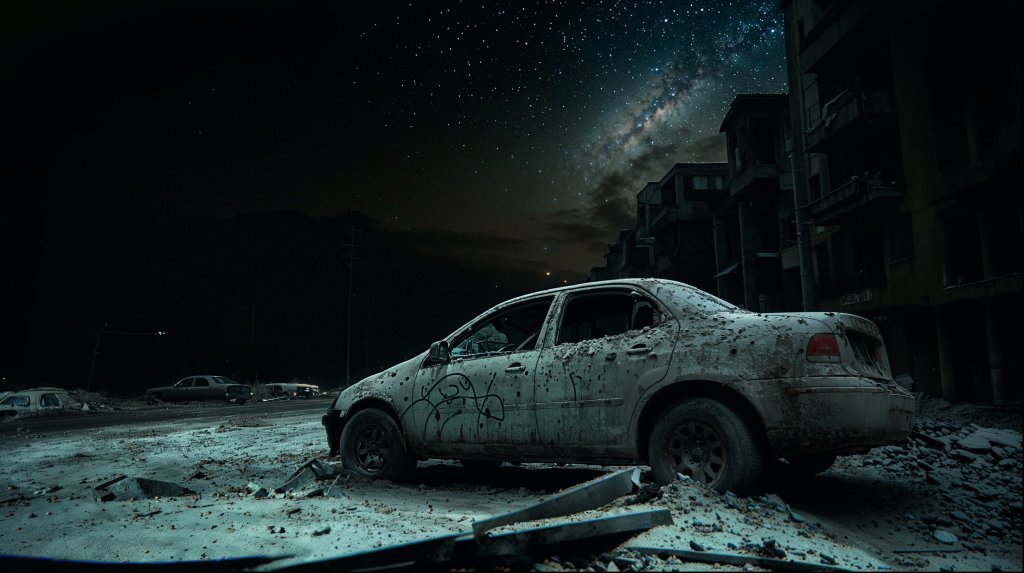
Image credit: SamRag^ai CC BY 4.0

Summary/TLDR

  • Modern society’s critical dependence on electricity creates severe vulnerabilities to catastrophic electrical system failures. 
  • The 2024 Cuban blackouts demonstrated how quickly electrical failures can trigger cascading societal disruptions, from failed water systems to nationwide protests. 
  • More severe scenarios like electromagnetic pulse (EMP) attacks or major solar storms could disable electrical infrastructure for months or years. 
  • A German study and research relating to the US (2024) indicates an extended power outage could lead to a myriad of serious problems in high-income countries, including severe food shortages.
  • Understanding and preparing for these systemic risks is crucial for maintaining NZ’s national resilience in an increasingly electrified world.
  • This blog provides background information ahead of a webinar with expert panel discussion scheduled for 7.30pm Wednesday 26 February 2025 (NZ time).
  • Register for the webinar here. Or join at the scheduled time using this link.

Introduction

The reliable supply of electricity underpins virtually every aspect of modern society, from communications and transportation to healthcare and food distribution. While this electrical infrastructure provides immense benefits, our deep dependence on it creates serious vulnerabilities if the system fails. 

In October 2024 Cuba lost power to the entire nation, but what if an electrical failure affected not just a single nation, but an entire continent? What if recovery took not days or weeks, but months or years? These aren’t just theoretical questions – they’re scenarios some governments and researchers are actively studying and preparing for.

The following blog provides introductory reading ahead of our Islands for the Future of Humanity webinar and panel discussion scheduled for 7.30pm NZ time, Wednesday 26 February 2025 (webinar registration).

You can view our previous webinar the ‘Kōrero on Catastrophe’ on the risks of nuclear war from the perspective of NZ.

Catastrophic Electrical Failure as a Risk

The 2024 Cuban blackouts provide a sobering case study. Throughout 2024, Cuba experienced multiple nationwide power outages, with the most severe occurring in October when the failure of a single power plant triggered a total nationwide blackout. The outages led to widespread disruption – water systems failed as pumps lost power, food spoiled in non-functioning refrigerators, and essential services like healthcare were severely impacted. The crisis culminated in widespread protests and required emergency fuel shipments from Mexico to help stabilise the situation.

Image credit: SamRag^ai CC BY 4.0

While Cuba’s power grid was already stressed due to maintenance and fuel supply issues, similar vulnerabilities exist in more robust systems. Modern electrical grids are highly complex and interconnected, meaning that failures can cascade rapidly across regions. The system depends not just on functioning power plants, but on sophisticated control systems, specialised components that may be difficult to replace, and ongoing maintenance from skilled technicians. In a severe crisis, any of these elements could become a critical failure point.

Several identified threats could trigger catastrophic electrical failure:

  • Physical damage to critical infrastructure from natural disasters or deliberate attacks
  • Cyber-attacks targeting grid control systems
  • Supply chain disruptions affecting essential components and fuel
  • Loss of skilled personnel needed for operations and maintenance
  • Electromagnetic pulse (EMP) events, either from solar storms or nuclear detonations

The growing frequency of extreme weather events and increasing geopolitical tensions may elevate these risks further. Additionally, the push toward renewable energy, while essential for addressing climate change, introduces new complexities in grid management that must be carefully considered in resilience planning.

German Government Study 2010

While governments are often reluctant to publicly examine worst-case scenarios of national power failures, a notable exception exists in a 2010 study from Germany’s Office of Technology Assessment. This comprehensive analysis offered an unusually direct look at how a prolonged, widespread power outage would cascade through modern society. Some of the study’s findings were highlighted recently in the Existential Crunch blog

The Summary Report was stark. Severe impacts of catastrophic electricity failure on societal functioning included:

  • Complete breakdown of communications infrastructure within hours/days – phones, internet, and most methods of communication between authorities and the public would fail, making coordination of emergency response and public information extremely difficult. Only radio would remain viable for mass communication.
  • Collapse of food and water supply systems – Food distribution would break down within days as stores empty and cold storage fails. There would be refrigeration failures, non-functioning payment systems, and transport disruptions would empty store shelves. Even more concerning, modern livestock facilities would face a crisis as automated feeding, climate control, and milking systems failed. Water supply and sewage systems would fail without power for pumps, leading to severe hygiene and health risks. 
  • Paralysis of transportation systems – Traffic lights, rail systems, and fuel pumps would stop working. Emergency services would struggle to respond, and movement of essential supplies would be severely constrained.
  • Breakdown of healthcare services – Hospitals could only maintain limited emergency operations on backup power. Most medical facilities would have to close, medications requiring refrigeration would be lost, and medical care would become extremely limited.
  • Collapse of public order and security – The combination of failed infrastructure, scarce resources, and limited emergency response capabilities would likely lead to civil unrest (this was borne out in Cuba in 2024). The report indicates “feelings of helplessness and stress will develop if supplies are interrupted, information is unavailable, and public order begins to break down.”

The study’s ultimate conclusion was grim – after only a few days without power, it would become impossible to maintain the supply of vital goods and services across affected regions. This would mark a threshold beyond which government authorities could no longer fulfil their fundamental duty to protect citizens’ lives and wellbeing, effectively constituting a national catastrophe.

Image credit: SamRag^ai CC BY 4.0

This detailed German study raises several important questions for NZ, including:

  • Is awareness of the risk as much in its infancy in NZ as it was in Germany?
  • How do NZ central and local government decision makers coordinate, and what is the plan for national communication without electricity? (Radio on batteries? Loud speakers?)
  • Can we devise and mandate a specified minimum level of communication service in a prolonged power outage (across days, weeks, months)?
  • Is decentralised generation a solution? How much damage would distributed renewable generation suffer in various scenarios?
  • How will vehicles refuel without electrical pumps and can we move food from production to consumption? 
  • Do we need food distribution points or communal kitchen plans if people can’t cook at home? 
  • How will people pay for food?
  • How will ships be unloaded?
  • How will cows be milked?
  • How at risk is water supply or wastewater? Can a roof water collection mandate help?
  • Can NZ give more prominence to construction of systems that don’t depend on electricity (eg, gravity fed water where possible)?
  • How do we do all this across weeks or months without electricity?

Electromagnetic Pulse (EMP) Risk

While the German study provides a comprehensive overview of electrical grid failure scenarios irrespective of the triggering cause, specific threat vectors like electromagnetic pulse (EMP) attacks or solar storms (see below) warrant particular attention, in part because they could disrupt electricity supply across continents or even globally. 

Indeed the United States EMP Commission has published several reports and Congress held a hearing in 2015 on the EMP threat. An EMP event, whether from hostile action such as high altitude detonation of a nuclear weapon, or natural causes, could have devastating effects on NZ’s electrical infrastructure and modern society.

A high-altitude EMP detonation over NZ or nearby (eg, an attack on Australia) would generate three distinct waves of electromagnetic disruption. The initial E1 pulse, occurring in mere nanoseconds, would induce extreme voltage surges in electrical equipment across thousands of square kilometres. This would likely destroy unprotected electronic systems including computers, telecommunications equipment, and solid-state control systems that manage power grids. The subsequent E2 and E3 waves would then induce powerful currents in long conductors like power lines and communication cables.

Steven Starr doesn’t sugar coat it in his detailed description of an EMP attack on the US:

“Ground, air, and sea transportation systems, water and sanitation systems, telecommunication systems, and banking systems are all knocked out of service. Food and fuel distribution cease. Emergency medical services become unavailable. The multitude of electronic devices that society depends on have suddenly stopped working.”

For NZ specifically, key vulnerabilities might include:

  • NZ’s interconnected national grid system, which could experience cascading failures as protective systems are overwhelmed.
  • Telecommunications infrastructure including satellite and cellular networks and internet systems, which could fail.
  • Transportation systems, water and wastewater treatment facilities dependent on electrical pumps and control systems, banking and financial systems requiring functional computers and networks, medical equipment in hospitals and healthcare facilities, food storage and distribution systems requiring refrigeration and computerised inventory management, all at risk.

NZ’s isolated geographic position increases vulnerability as replacement equipment and expertise would largely need to be sourced from overseas, potentially resulting in extended recovery times. NZ’s relatively concentrated population centres also mean that damage to key infrastructure nodes could affect large portions of the population simultaneously.

Food supply could be critically at risk. 

A 2024 study published in the International Journal of Disaster Risk Science examined how a severe EMP attack over North America would affect US food supplies. The findings were stark: food consumption could drop by 38-65% in a scenario that takes a year to recover from – potentially pushing large populations into famine conditions. Even in a more optimistic scenario with recovery taking just two months, food consumption would still decline by 24-50%. The study highlighted how modern food supply chains’ reliance on electricity makes them particularly vulnerable to prolonged power outages, affecting everything from farm irrigation to food processing and distribution. NZ would likely share many of these problems, especially the cities and large towns.
Image credit: SamRag^ai CC BY 4.0

Solar Storm

While EMP represents a potential hostile threat, naturally occurring space weather could also pose a risk to NZ’s infrastructure. Solar storms and coronal mass ejections (CMEs) can create effects similar to EMP, but typically developing over hours rather than nanoseconds, allowing some opportunity for protective measures if adequate warning systems are in place.

NZ’s mid-latitude location means it would typically experience less severe geomagnetic effects than polar regions. However, NZ’s increasing reliance on long-distance power transmission lines and interconnected infrastructure has heightened vulnerability. The national grid stretches the length of both islands, with submarine cables crossing Cook Strait – these long conductors can act as antennas for geomagnetically induced currents (GICs) during solar storms.

Key vulnerabilities include:

  • The high-voltage transmission network, particularly extra-high voltage (EHV) transformers which are especially susceptible to damage from GICs
  • Satellite-dependent systems including GPS/GNSS navigation, critical for aviation and maritime operations
  • Communications infrastructure, especially long-distance cables and satellite links that keep NZ connected to the global internet
  • Pipeline networks carrying gas and oil can even experience accelerated corrosion from induced currents

A major solar storm comparable to the 1859 Carrington Event could cause widespread disruption lasting weeks or months. Even a more moderate event, like the 1989 Quebec storm that left millions without power for 9 hours, could damage transformers and cause regional blackouts. NZ’s geographical isolation compounds the recovery challenge – replacement transformers typically take 6-16 months to source from international suppliers, and shipping logistics (also impacted by the event) could extend this timeline further.
Image credit: SamRag^ai CC BY 4.0

The cascading effects would impact essential services, again including:

  • Food distribution networks needing pumped fuel and refrigeration
  • Water and wastewater treatment requiring electric pumps
  • Financial systems dependent on electronic transactions
  • Healthcare services relying on powered medical equipment
  • Telecommunications systems to coordinate responses or emergency services

While NZ’s smaller scale might allow faster recovery in some areas compared to larger nations, its isolation and limited domestic manufacturing capacity for critical components like large transformers makes it particularly vulnerable to extended disruption. Planning for space weather events might require monitoring of solar activity, hardening of critical infrastructure, a more modular and distributed electricity network (islanding), and development of replacement component stockpiles given our distance from major manufacturers. 

Unlike the near-instantaneous impact of EMP, space weather events typically provide some warning through solar monitoring systems. This makes preparedness and early warning systems crucial for protecting vulnerable infrastructure before the arrival of solar storms. 

Given the above, NZ’s National Emergency Management Agency (NEMA) has recently published a Space Weather Plan focused on monitoring, information gathering, communication channels, and coordination. 

NEMA’s plan is a great start, but it does not yet address options for ongoing consequence management during an extended recovery phase. It also says nothing about any infrastructure strategies for building resilience to these events, or about the infrastructure and resources that might need to exist ahead of time so there are affordances for any National Action Plan. Our organisation, Islands for the Future of Humanity, is particularly interested in fostering discussion about these prior components of resilience strategies. 

We can further ask: 

  • What consequences are expected and how could investment/action ahead of time mitigate or avoid these?
  • What resources/capital stocks would help in the recovery? 
  • How could we prevent fuel, food, water, medical supplies being used up when they may not be able to be replaced? 
  • What can we learn from other big electricity failure events (eg, Cuba, Quebec – see above) about what happens behaviourally, socially, and what might be needed?
  • What infrastructure might be destroyed and not just disrupted in these events and how do we rebuild/replace these (eg, without trade)?

Managing the Risk of Catastrophic Electricity Failure

Catastrophic nationwide or even global electrical failure is an understudied event that poses some of the largest risks to NZ. In recognition of this, we are holding a webinar and expert panel to facilitate public discussion of this risk. The webinar will take place at 7.30pm NZ time, on Wednesday 26 February 2025. The intended audience is individuals, organisations, government advisors, and decision makers. Register here, or click to join on the day.

With maximum solar activity forecast for July 2025, deteriorating global geopolitical relations raising the spectre of nuclear war, and advances in AI threatening to facilitate global cyber-attacks, the likelihood of catastrophic electrical failure is probably rising. 

Existing research in NZ has started to consider the dense interdependencies among critical systems and how these networks might be impacted by regional natural disasters. More of this analysis is needed, and with a focus on catastrophic national and global risks. This is because, as the Covid-19 pandemic showed us, the downstream effects of perturbances are not always obvious.

NZ needs to include these catastrophic global risks in its National Risk Register and make this document and the relevant mitigation plans publicly available so NZ businesses, organisations, public services and individuals can consider these risks. Recent critique of climate and security policy in Australia illustrates the need for public information, with Green and independent MPs and senators persistently asking the government how can we address risks when we are not even told what the government knows about them.

Image credit: SamRag^ai CC BY 4.0

Mitigation starts with public discussion supplemented with information from experts, key agencies and industries. Informed discussion can help influence what kinds of information, infrastructure and resilience strategies we ask of our governments. 

Debate and discussion could potentially inform strategic planning, for example via NZ’s Infrastructure Commission Priorities Programme, or facilitate feedback to the Department of the Prime Minister and Cabinet’s (DPMC’s) 2025 Long-term Insights Briefing (which looks set to address global risks), or by informing ongoing revisions to NEMA’s Space Weather Plan or CatPlan handbook, updates to NZ’s National Fuel Plan, or a range of other risk mitigation plans. 

Join us on 26 February for our webinar on catastrophic electrical system failure. The session will begin assuming attendees have read this blog, or are otherwise familiar with a broad outline of these risks, allowing us to dive straight into discussing some of the questions raised above and the question of what to do about these risks?

Learning from Covid-19: Why NZ Needs a Broader View of Catastrophic Risk

Matt Boyd & Nick Wilson

The Royal Commission of Inquiry’s Report on Covid-19 lessons learned should be expanded and applied across the set of global catastrophic risks that threaten NZ.

Summary/TLDR

The recently published Covid-19 Royal Commission’s lessons should be applied beyond pandemic preparation to address all potential global catastrophic risks (GCRs).

Aotearoa New Zealand (NZ) needs comprehensive plans for scenarios worse than Covid-19, including those involving destruction rather than just disruption of critical systems.

Key priorities include:

  • Developing robust national risk assessment methodology that includes global catastrophes.
  • Building resilience against extended trade isolation.
  • Strengthening core health security measures including investment in public health and border control capabilities.
  • Creating threat-agnostic plans for protecting critical sectors (energy, transport, food, communications).

Anticipatory governance of GCRs requires:

  • Public engagement throughout the planning process.
  • Integration of ethical frameworks.
  • Cost-effectiveness analyses across prevention and mitigation options.
  • Explicit consideration of worst-case scenarios.

Action is needed now while global stability permits meaningful preparation, as future conditions may make building resilience more difficult.

Success requires maintaining public trust, government transparency, and strong coordination across all sectors of society.

Introduction

NZ’s Royal Commission of Inquiry into Covid-19 Lessons Learned published its Phase I Report in November 2024. The Report acknowledges the successes of NZ’s Covid-19 approach, but also the harms and associated lessons. The Commission makes 39 recommendations to help mitigate future pandemics, and other risks to NZ.

The Report covers the all-of-government NZ response to Covid-19, including ‘lockdowns’, border restrictions, the health system response, economy and social impact, vaccination and mandatory measures.

It is a shame that it took a catastrophe for a suite of sensible recommendations to emerge. However, we agree with the authors that action should extend beyond mere pandemic preparation.

In this blog, we look beyond naturally occurring pandemics and applying a global catastrophic risk (GCR) lens, we discuss what the Inquiry Report means in the wider context of national risks.

The Report’s Findings

The Inquiry Report makes eight ‘big picture’ observations about the Covid-19 pandemic, which it presents as follows (p.65):

The Report then follows these observations with six important lessons for the future, which they summarise in the following graphic (p.67):

Global Catastrophic Risks

The Report is explicit that, “many findings and lessons can be usefully applied to other threats [than pandemics].” We leave readers to look at the Inquiry’s Summary Document for full details and a comprehensive list of recommendations for pandemic preparedness. What we wish to highlight are the findings and gaps relevant to a sensible approach to GCRs more generally.

Other threats on the scale of Covid-19, or greater, include more extreme pandemics, perhaps resulting from bioweapon use, or spread of bioengineered pathogens. Also, major global risks such as nuclear war, extreme climate change, volcanic eruptions causing ‘volcanic winter’, global cyberattacks, asteroid and comet impacts, solar storms, and great power conflict. RAND Corporation has detailed most of these risks for the US Government in a 2024 Report. The same thinking underpinning the Inquiry Report on Covid-19 lessons learned, should be applied to these risks as well in coordinated fashion.

Assessing and preparing now for these civilisation-threatening risks is important, because civilisation appears to be entering a period of downturn and fragmentation, as exhibited in a series of concerning megatrends, and as is typical of civilisation cycles across time. This means, however, that the ability to prepare for and mitigate these risks might become more difficult in the medium-term future.

The Report is clear that some of NZ’s Covid-19 successes were down to mere luck, singling out for example the continuation of essential trade (p.49). The importance of locally led initiatives was also critical (p.50). Both resilience to trade disruption and appropriately resourcing communities are important global risk mitigation measures.

The Inquiry Report recommends that future approaches to major catastrophes should make explicit use of ethical frameworks. We completely agree. In fact, we took steps to starting a national conversation on values frameworks and extreme risks with our 2018 paper ‘Existential Risks: New Zealand needs a method to agree on a value framework’. GCR research has become more nuanced since then, but the need for a public conversation to inform national risk strategy remains.

Health Security

It is clear in the Report that public health expertise and infrastructure played a huge role in NZ’s Covid-19 success. While ‘lockdowns’, although often effective, were very expensive and caused harm to many people.

We support the Commission’s calls for investment in public health. We also advocate cost-effectiveness analyses across the many prevention and mitigation options for GCRs. We suspect that some initiatives, such as investing strongly in public health systems and workforce, will turn out to be some of the most cost-effective investments government can make, when the iterated costs of future pandemics are accounted for.

Our own retrospective analyses of Covid-19 outcome data (still in progress and preliminary) suggests that non-island countries experienced a death rate from Covid-19 inverse to the level of development of their core health security measures. Developing capabilities and capacities like those in the Global Health Security Index will be important during pandemics if NZ chooses not to strictly control its borders.

That said, another recent analysis we’ve performed suggests that the longer time islands spent with strict border measures, the fewer Covid-19 deaths they suffered, without any associated adverse economic impact.

We emphasise the difference in the determinants of Covid-19 outcomes between islands and other jurisdictions and caution anyone making comparisons between island and non-island countries.

It is possible that some future pandemics are far worse than Covid-19. See this report by Madhav et al for an indication of how frequently more severe pandemics will strike. NZ’s preparation needs to account for the possibility of a long period of isolation as an island refuge. The cost-effectiveness analyses we advocate above need to account for these likelihoods and which impacts of severe pandemics that we could avert.

Critically, future pandemic plans need to thoroughly consider border closure thresholds, and decision rules for similar, less strict, and more strict border measures depending on the severity and characteristics of a pandemic.

Health security and border measures are important, but we also know that people’s trust in each other, and trust in government, as well as less government corruption, are all strongly associated with pandemic success. These national characteristics must be maintained and strengthened.

Anticipatory Governance

The Inquiry Report strongly recommends more and better coordinated anticipatory governance of pandemic threats. It also highlights the lack of mechanisms to anticipate and evolve response plans. Particularly problematic was a kind of all-eggs-in-one-basket assumption that vaccines would end the pandemic, without a Plan B for emerging from ‘lockdowns’ and other measures.

We agree, and underline that anticipatory governance of pandemics can’t really be separated from governance of all GCRs, given many of the common downstream impacts that GCRs would have on an island nation like NZ.

Planning for pandemics, and especially a pandemic with the characteristics of Covid-19 was undercooked in NZ. If this is true of possibly the largest threat in expectation that the country was known to face, then it is likely to be truer for other GCRs. We note that NZ has only just (Nov 2024) released its first ever plan for a space weather catastrophe. The country needs plans for other GCRs, and threat agnostic plans that mitigate harm to critical sectors such as energy, transport, food supply, and communications. We have outlined this case, and a suite of resilience options in our 2023 report, ‘Aotearoa NZ, Global Catastrophe, and Resilience Options: Overcoming Vulnerability to Nuclear War and other Extreme Risks.’

The Commission’s Report emphasises the importance of all of government readiness for a pandemic, along with the need for central oversight of integrated pandemic preparation and an effective national risk management system. We agree. Such as system needs to develop an improved national risk assessment methodology and include GCRs in their assessment (perhaps referring to the RAND Report in the US).

NZ also needs legislation underpinning and mandating these assessment and planning functions, not just legislation that enables responses. The Inquiry Report advocates a publicly facing National Risk Register, but we’d extend this call. The whole national risk assessment process needs public involvement throughout its development and analysis cycles. The use of citizen assemblies could simultaneously inform and identify concerns and could be a forum for putting options and trade-offs to the public.

We have previously described similar processes in our papers on ‘Assumptions, uncertainty, and catastrophic/existential risk assessments’ and ‘Anticipatory governance for preventing and mitigating catastrophic and existential risks’. Our 2023 Main Report includes a chapter detailing what such anticipatory governance of GCRs generally might look like in the NZ context.

The implementation of a government Chief Risk Officer is another path that could be considered. Chief Risk Officers and the ‘three lines of defence’ approach are common and effective in the private sector (including the airline industry that Prime Minister Luxon comes from). The three lines include frontline operational ownership of risk, risk oversight by a Chief Risk Officer, and independent oversight of the whole process.

Strategic Resilience

The Inquiry Report rightly underscores the importance of resilient and adaptive health, justice, education, social and economic systems during a pandemic.

As indicated above, many GCRs have common (and different from Covid-19) implications for distribution of harm across sectors. Furthermore, sectors are densely interconnected and dependent on key processes such as trade, transport, energy, communications, and food supply.

Any initiatives aimed at improving resilience to future pandemics should be integrated with a wider ranging risk assessment and a set of strategies to build resilience and redundancy across at least these key sectors. Particularly concerning for NZ is trade isolation.

Destruction not just Disruption

Although trade was able to continue during Covid-19, this cannot be guaranteed in the case of other GCRs such as nuclear war, extreme solar storm, and so on. So, we need plans for scenarios where there is destruction, not merely disruption of global trade infrastructure.

We cannot be caught preparing only for the last battle, not the next. NZ needs to develop its ability to withstand an extended period of trade isolation and develop the infrastructure and capability to trade independently with Australia, coordinating and cooperating on critical needs.

Development of such resilience infrastructure, providing a Plan B, no matter what the critical issue, be it catastrophic shipping collapse, electrical grid failure, food production collapse, communications blackout, liquid fuel shortage, requires a trade-off between efficiency and resilience.

It is this kind of protection, from large scale unpredictable harm, that governments are most suited to ensuring. The risks, resilience options, and trade-offs need to be explicitly put to the public and debated. This requires a sophisticated and detailed national risk assessment, detailing the kind of capitals (human, physical, natural, and financial) that might provide affordances and options in the face of future catastrophes.

Action for National Resilience is Needed Now

We reiterate what we stated above, the world appears to be entering a period of geopolitical, climate, and economic instability, which as it progresses will likely undermine the ability of nations to develop resilience. We should not delay investment in assessing and mitigating GCRs. The prudent move is to buy our ‘insurance’ now, before any crisis strikes. Now is not the time for cuts and austerity on critical science and protections.

The Inquiry Report states that we need to be able to deliver ‘business-as-usual’ activity (p.78) during a pandemic of extended duration. We contest that future catastrophes could be very much worse, and we need plans that focus on how to deliver basic needs such as food, energy, and minimal communications during extreme scenarios. ‘Business-as-usual’ could be a dream.

The Report evaluated, and found problematic, some of the mandatory measures during Covid-19. Future scenarios could require other kinds of far-reaching mandatory measures, such as fuel or food rationing. These considerations need to be surfaced ahead of time, and debated, with resilience options sought, so they don’t come as a surprise should other GCRs strike.

NZ will need the capacity and capability to deal with future global catastrophes, and the experience with Covid-19 showed that although we managed to muddle through with some success, this cannot be assumed for other risks, at other scales, and in future contexts.

Conclusion

The Royal Commission’s Inquiry into Covid-19 provides valuable insights not just for future pandemic preparation, but for NZ’s approach to global catastrophic risks more broadly. While NZ managed the Covid-19 pandemic relatively well, we cannot rely on luck or assume similar approaches will work for different types of catastrophes.

The time to act is now, while we still have the capacity and stability to make meaningful preparations. This means developing robust risk assessment frameworks, building redundancy into critical systems, and strengthening our ability to operate independently during extended trade disruptions. Most importantly, we need to move beyond planning for mere disruption to preparing for potential destruction of key global infrastructure and systems.

As we face an increasingly unstable global environment, NZ must take a comprehensive, forward-thinking approach to catastrophic risk management – one that ensures our resilience against the full spectrum of potential global catastrophes, not just pandemics.

The Critical Minerals That Matter: Aotearoa/NZ’s Basic Needs in a Global Catastrophe

Matt Boyd, Nick Wilson

ChatGPT imagines NZ mineral stockpiles

TLDR/Summary

  • The NZ Ministry of Business, Innovation and Employment released a Draft Critical Minerals List, for public consultation (now closed).
  • The list is based on a report by Wood MacKenzie which identified a short list of critical minerals.
  • We find that the list could pay more attention to the minerals essential to NZ in a global catastrophe scenario.
  • Therefore, we made a submission on the draft list that takes this global catastrophic risk management perspective.
  • We strongly agree that the following minerals already included should remain on the list: Potassium, Phosphate, Boron, Cobalt, Copper, Magnesium, and Selenium
  • Given changing needs following a global catastrophe, the list could additionally include Gold, Silver, Iron, Calcium (Limestone), Thermal Coal, Salt (sodium chloride), Iodine, and Geological Hydrogen (and perhaps other minerals).
  • The global catastrophic risk lens should be applied across all strategic analyses the government undertakes.

Two Tales of the Apocalypse

In the book The Knowledge Lewis Dartnell speculates on how someone might rebuild civilisation from scratch after an apocalypse. The essential minerals he mentions, in rough order of priority, include those needed for agriculture (potassium, nitrogen, and phosphorus for fertiliser), food preservation (salt), thermal energy (coal), lime/calcium carbonate (multipurpose for agriculture, hygiene, safe drinking water, smelting metal, making glass, and construction materials), the pyrite rocks (to make sulphuric acid for chemical production processes), clay and lime mortars plus sand and gravel for cement, and iron for steel.

In The End of the World is Just the Beginning Peter Zeihan examines global demographic trends and geopolitical strife, and warns of future severe disruptions to global trade, and the potential for industrial collapse in many regions. His analysis underscores the importance of access to iron ore, bauxite (aluminium), copper, cobalt, lithium, silver, gold, molybdenum, platinum, and the rare earth elements.

The overarching point of these two books is that industrial processes and the wellbeing and quality of life that depend on them, are in turn dependent on a critical set of key inputs. The critical minerals. Preserving what already exists is clearly easier than rebuilding an industrial society from scratch, so it is wise for societies to ensure continuing access to critical minerals.

Global Catastrophic Risks

Production, trade and supply of critical minerals is threatened by global catastrophic risks such as nuclear war, supervolcano eruptions, extreme pandemics, cyberattacks and solar storms. These all threaten global infrastructure and could precipitate the collapse of production or global trade (see for example our Hazard Profile on nuclear war and NZ).

A core problem for island nations is that many of them, such as Aotearoa New Zealand (NZ) are effectively the ‘last bus stop on the route’ and could suffer immense consequences in these contexts that accelerate the risk of societal collapse. Access to critical minerals is needed to secure basic needs such as clean water (eg, chlorine), food production (NPK fertilisers), and heating (eg, coal for thermal energy in case of electrical failures).

MBIE’s Draft Critical Minerals List

To its credit, the NZ Ministry of Business, Innovation and Employment (MBIE) recently released a Draft Critical Minerals List for public consultation. MBIE’s justification for creating a critical minerals list centres on ensuring economic stability, supporting technological advancement and clean energy transitions, strengthening international partnerships, and addressing potential supply chain vulnerabilities for minerals essential to NZ’s current and future needs.

The List is extracted from a report by Wood Mackenzie, which also draws on critical mineral lists of other countries. In preparing the report industry stakeholders were consulted and the process included: Definition of Critical Minerals within the NZ context, analysis of NZ mineral production, consumption and trade, data gap analysis, development of a Long List identifying minerals produced by and/or essential to NZ, and a supply risk assessment. The result is the list of minerals in Table 1:

Source: Wood MacKenzie (2024)

Not Business as Usual

We note that the Wood MacKenzie methodology appears to assume that a degree of global trade continues, as “Global Reserves” and “Global Supply” are key factors in the supply risk assessment. However, there are plausible scenarios where global trade is completely disrupted (see for example our Hazard Profile detailing the impact of a Northern Hemisphere nuclear war on NZ). In such cases even trade with Australia may take some time to re-establish at scale. We feel that the analysis does not yet adequately consider a range of global catastrophic risk scenarios.

The Wood MacKenzie Report defines critical minerals: “to be included in the draft list, a mineral must be:

  • Essential to NZ’s economy, national security, and technology needs, including renewable energy technologies and components to support our transition to a low emissions future and/or
  • In demand by NZ’s international partners, and
  • Susceptible to supply disruptions domestically and internationally.

Essential is defined as critical to maintaining the NZ’s economy today and into the future and not readily substitutable.”

This definition, and the “total mineral demand” calculation performed for the Wood MacKenzie Report, appears to omit minerals that, while not essential under business-as-usual, may attain particular significance in situations where global conditions are radically altered, such as following a global catastrophe that potentially lasts years or a decade or more (eg, nuclear winter).

We are most concerned about the class of risks that would cause the most harm to NZ (including a risk of permanent economic and social damage). To reiterate, these global catastrophic risks (GCRs) include: major volcanic eruptions at global pinch points, nuclear war (with or without nuclear winter or high-altitude electromagnetic pulse), severe pandemics (natural or engineered), major global food shock, global industry disabling solar storms, devastating global cyber-attack, catastrophe from misaligned artificial intelligence (AI), large asteroid/comet impact, etc.

Such risks have the greatest expected harm (when likelihood and impact are multiplied). We have written a detailed report about this kind of risk and how NZ might ensure resilience. Although individually such risks may have a low probability of occurring in any given year, collectively they are plausible, and some are even likely in the long term.

Critical Minerals for Basic Needs

Following a global catastrophe, it will be necessary to focus on ensuring that basic needs (water, food, shelter, energy, communications, transport) are able to be supplied and distributed.

In catastrophe circumstances minerals such as Potassium and Phosphate (which are not on our international partners’ Critical Mineral Lists) may be particularly important, as might Gold, Silver, Coal, Iron, Calcium/Lime. NZ’s critical minerals analysis needs to include a global catastrophic risk lens and contemplate the downstream context following the potential extreme catastrophes listed above.

The particulars of which minerals are “In demand by NZ’s international partners” should include analysis of scenarios where global trade has collapsed and trade operates on a restricted regional basis (eg, NZ, Australia, Indonesia), as this context may alter what is “in demand” regionally.

We made a submission to MBIE about the Draft Critical Minerals List. Our main point in making the submission was that decisions around critical minerals must be taken through a lens that includes global catastrophic risks where international trade is radically altered. There could be a completely new context, and therefore new priorities could emerge (ie, where global reserves and global supply are inaccessible).

This perspective should supplement considerations of mineral needs under business-as-usual for economy, trade, sustainability, and general security considerations.

Through the global catastrophe lens we strongly agreed with the following minerals already included on the Draft List: Potassium, Phosphate, Boron, Cobalt, Copper, Magnesium, and Selenium.

But we also recommended that the following be added to the list: Gold, Silver, Iron, Calcium (Limestone), Thermal Coal, Salt (sodium chloride), Iodine, and Geological Hydrogen.

Our reasoning was as follows:

  • Potassium and Phosphate: Critical for industrial agriculture and food security.
  • Boron, Cobalt, Copper, Magnesium, and Selenium: Essential for addressing soil deficiencies in NZ and for alloyed steel production.
  • Limestone/Calcium and Aggregate/Sand: Crucial for construction and road repairs, especially important due to NZ’s extreme dependence on road transport.
  • Iron (and Bauxite): Vital for tool-making and construction. Domestic production capability important in case of trade disruptions.
  • Thermal Coal: For heating, and potential energy source if hydroelectric generation is impaired due to climate disruptions (eg, nuclear winter or volcanic winter).
  • Salt (sodium chloride): Essential for food preservation without refrigeration and chlorine for water treatment.
  • Gold (and/or Silver): Potentially needed to base a new currency in case of economic collapse, or for purchasing critical imports from Australia and Indonesia.
  • Iodine: Important for preventing dietary deficiencies and producing disinfectants.
  • Minerals used as Catalysts for Biofuel Production: Critical for producing biofuels to run agricultural machinery, interisland ships, and other transport in post-disaster scenarios.
  • Geological Hydrogen Gas: Potential future fuel source in case of disruptions to liquid fuel imports

We are concerned that much risk mitigation activity in NZ addresses only smaller more common risks (eg, floods, earthquakes, 10% global fuel supply disruptions) and therefore leaves most of the expected future harm to New Zealanders unaddressed. In contrast we note that the US has a Global Catastrophic Risk Management Act (2022) and the first US report on how to supply ‘basic needs’ in such scenarios is imminent.

Interdependent Sectors

Finally, we note critical links between minerals, agriculture, transport, interisland shipping, liquid fuel and other industries. For example, agriculture depends on mineral inputs, which must be transported, perhaps between islands, using liquid fuel. These issues of resilience to global catastrophe cannot be addressed in isolation, and the global catastrophic risk lens should be applied across the spectrum of resilience initiatives, such as NZ’s National Fuel Security Study, solution scoping for the interisland ferry replacements, when considering coastal shipping, transport infrastructure decisions, crop choices and development and land use strategies.

Sustained Resilience: the impact of nuclear war on New Zealand and how to mitigate catastrophe

Dr Matt Boyd & Prof Nick Wilson*

Photo by Chad Peltola on Unsplash

Efforts to prevent nuclear war should be greatly intensified – but we must also consider what happens if prevention fails. NZ is often cited as somewhere most likely to preserve a thriving society through a nuclear aftermath. However, our society is a complex adaptive system heavily dependent on trade. Major perturbations triggered by nuclear war could shift the state of NZ society from one of flourishing to one of mere survival. We detail these risks of societal failure and conclude with a set of first steps NZ could take to strengthen its societal systems.

“I had a dream, which was not all a dream. / The bright sun was extinguish’d, and the stars / Did wander darkling in the eternal space” (Byron ‘Darkness’)

Byron penned what could be a striking vision of nuclear winter 129 years before the atomic age. Holed up in a Swiss mansion during the ‘year without a summer’ following the eruption of Mt Tambora, he composed ‘Darkness’ (1816) on a day in which ‘the fowls went to roost at noon’.

‘Darkness’ imagines the severe cascading calamities that might ensue if the sun were obscured, as following nuclear war. We detailed these potential climate impacts and the consequences for NZ food production in a recent blog post, Putin and the Bomb.

However, in his poem Byron envisions the cascading impacts sun-blocking might have on energy supply, communications, resources, ecology, social cohesion, and conflict. In 1987 the NZ Nuclear Impacts Study examined the potential for similar cascading impacts (Green, Cairns, & Wright, 1987). This study involved 300 industry experts, government officials, a public survey, and role plays with citizens. In 35 years, nothing remotely as sophisticated has been done to update the findings for the NZ context.

Contrary to common misconception, radiation is not a major risk to NZ in a Northern Hemisphere nuclear war. It is commonly assumed that far flung Southern Hemisphere islands like NZ may fare comparatively well. For example, existential risk scholar Toby Ord writes in The Precipice, “if we consider somewhere like NZ… It is hard to see why they wouldn’t make it through with most of their technology (and institutions) intact” (Ord, 2020).

In what follows we question Ord’s assumption, reiterate the salience of nuclear war as a global catastrophic risk, its far-reaching impacts on society and industry and what NZ might do to mitigate the threat, including reprising the work of the 1980s with up-to-date understandings.

Food supply

“the wildest brutes / Came tame and tremulous; and vipers crawl’d / And twin’d themselves among the multitude, / Hissing, but stingless—they were slain for food”

A typical human needs around 2,100 kcal of food energy per day to avoid losing weight. NZ produces something in the order of 9,500 kcal/capita/day (Schramski, Woodson, Steck, Munn, & Brown, 2019), and exports the majority of this food. Although modelling of severe nuclear winter reported in a preprint indicates NZ food production could fall 58% (Xia et al., 2021), New Zealanders should, in principle, be able to be fed. However, orderly production and distribution of this supply assumes that people understand there will be enough, that there is sufficient energy to maintain production and distribution, that crop substitutions are appropriate, that essential machinery does not irrevocably break down, that unforeseen cascading socio-ecological impacts do not wreak havoc and that the country is not likely to be overcome by refugees.

Trade

Covid-19 and the war in Ukraine has taught us that complex interdependent human systems are often fragile – and trade can be vulnerable. Even, when just one ship blocked the Suez Canal, there were global trade disruptions. In a severe nuclear (or volcanic, or asteroid) winter key infrastructure in the Northern Hemisphere may lie in ruin, including ports, airports, fuel stores, fibre optic cables, satellites, factories, and data centres. Food production could collapse in breadbaskets such as the US and Ukraine. This would massively strain a world where two-thirds of countries are currently not food self-sufficient (Schramski et al., 2019). There may be hoarding, reluctance or inability to trade, severe food and fuel shortages, and ongoing conflict.

Research on volcanic eruptions at global ‘pinch points’ indicates that an unfortunately located eruption could disable world trade (Mani, Tzachor, & Cole, 2021). We must assume the same following dozens, scores, or even hundreds of nuclear detonations. Remote NZ may be on its own. At the very least Northern Hemisphere markets could be inaccessible and trade networks with Australia, Indonesia, the Philippines, Chile or Peru would need to be strengthened or forged.

Communications and governance

“And they did live by watchfires—and the thrones, / The palaces of crowned kings—the huts, / The habitations of all things which dwell, / Were burnt for beacons; cities were consum’d”

People will panic. This is natural. But actions hinge on information held. The nuclear impact study in NZ found that people were often mistaken, they thought radiation was the most important threat (46%) followed by cold weather (11%) (Green et al., 1987). This is probably not the case in NZ. Authorities must anticipate and provide clear, relevant information about nuclear winter, with two-way dialogue. We need a shared mental model that there should be enough food, but medicines and fuel might need to be rationed. At the beginning of the Covid-19 pandemic, communication in NZ was very successful, but eventually mis/dis-information crept in, the shared mental model was lost and tension arose.

However, in a nuclear aftermath standard communication by NZ authorities might not be possible. There could be widespread international internet and cloud outages, an electromagnetic pulse (EMP) targeted at Australia could potentially disable electronic equipment in NZ (Green et al., 1987), and over time NZ’s telecommunications infrastructure will likely degrade as parts break down and replacements are not available.

Energy and transport

“Forests were set on fire—but hour by hour / They fell and faded—and the crackling trunks / Extinguish’d with a crash—and all was black”

When considering total generic units of energy, NZ superficially appears self-sufficient (IEA 2021). However, NZ exports low-grade coal but imports refined oil; produces hydroelectric power, but this is partly configured to supply to an aluminium smelter; there is geothermal energy but a small electric vehicle fleet; and a single point of failure (one cable) spans the interisland strait. The system may not be resilient to major shocks. Without trade there would be extreme fuel shortages, compounded as the only oil ‘refinery’ has just shut its refining business. Overseas reserves would be useless without the ability to retrieve them. Even if refining were restored, a single key fault could cripple it again without imported parts and international expertise. The effects of an EMP could make the energy situation worse. Critically, energy is needed for food processing and distribution. Milk needs to be transported every day, without electric trucks this requires refined fuel. The energy system will degrade over time and beyond a certain threshold there could be catastrophic cascading effects throughout every other system.

Conflict and Refugees

“And War, which for a moment was no more, / Did glut himself again… / …The crowd was famish’d by degrees; but two / Of an enormous city did survive, / And they were enemies”

Internal conflict may arise if there are concerns about ongoing supply of food or energy, or if inequality is perceived. People seeking escape from war and famine may try to arrive by force, or bring novel infectious diseases (eg, if bioweapons are released in a Northern Hemisphere conflict). Although NZ is sheltered by a huge natural moat, the country must plan for the possibilities of such challenges. We need to calculate how many can be fed. En masse arrivals may be unlikely in a world without commercial transportation, but NZ’s vulnerability might require alliances with other survivors such as Australia, Indonesia, or Chile.

Ecology and flourishing

“The rivers, lakes and ocean all stood still, / And nothing stirr’d within their silent depths”

Ecological systems are complex adaptive systems with many interacting parts. Models of the impact of nuclear winter cannot account for all variables, and we know that ecological systems sometimes exhibit sudden and unpredictable shifts in state. Algal blooms or tropical storms exemplify these processes. It is possible that severe climate impacts of nuclear winter might disrupt global ecology for decades or forever. Human societies are part of this complex adaptive system (Walker & Salt, 2006). We must understand that as human systems degrade accumulating stresses across a range of tightly coupled and interdependent sectors can manifest as cascading failures (Homer-Dixon et al., 2015). As one of the havens most likely to survive comparatively intact after a nuclear war, NZ must avoid tipping into pre-digital, pre-industrial, or pre-agricultural states. Persisting institutions and technological systems will be needed to help ‘reboot’ a flourishing humanity across the years and decades after a catastrophic nuclear winter.

A possible solution for NZ?

NZ may have some inbuilt cultural resilience especially in Māori and Pasifika communities. Communitarian efforts via marae and other social networks have successfully distributed food and information in the past, such as during the Covid-19 pandemic and Kaikoura earthquake. NZ’s ‘social cohesion’ score is very high. But we can’t take this for granted in an information environment where risks are classified, and misinformation is rife.

Unfortunately, nuclear war matters because it is not improbable. Nuclear safety depends on a system of rational actors, perfect information, and fail proof systems that operate without error in perpetuity. The risk of nuclear war lies in human error, component failures, violent catalysis, irrational leaders, accident, miscalculation, and cyber vulnerabilities (see Nuclear Threat Initiative president Joan Rohlfing’s interview from 24 Feb here).

Nuclear winter especially matters because there is still a small possibility that it could lead to human extinction, not directly, but via cascading effects on food, energy, transport, trade, disease, and conflict. Study of these cascading interdependencies is very neglected.

NZ has a chance to both survive and sustain a thriving hub of complexity through nuclear winter. With promising baseline conditions, there is an argument NZ has an obligation to humanity to maximise its chances. This could be achieved by undertaking the following:

  • Repeat the 1987 Nuclear Impacts Study in today’s context and prioritise intervention according to experts, science and modelling (see Green et al. 1987 for initial policy suggestions).
  • Make a detailed local study of food production and distribution under nuclear winter and zero trade/scarce fuel conditions, as well as manage marine stocks to ensure surplus in times of need.
  • Research and prepare communication materials and plans, with redundancies, collaborate with the public and generate a shared mental model.
  • Incentivise distributed renewable energy sources, electric vehicle uptake, cycle infrastructure, home insulation, and reduce oil dependence, while maintaining refining capability until zero-oil reached.
  • Conduct simulations/walk-throughs of critical functions such as restoring systems after an EMP, or storing, rationing, and distributing food, fuel, medicines.
  • Reduce reliance on Northern Hemisphere export markets by diversifying regionally – particularly with Australia, the Pacific and Southeast Asia.
  • Study the potential irreplaceable failure points of NZ industry and crowdsource solutions and workarounds, eg, 3D printing.
  • Model the co-benefits of resilience measures against nuclear winter on climate targets, inequality, health, the economy.
  • Include nuclear war, nuclear winter, and NZ trade isolation in national risk assessments and make public NZ’s national risk register (the contents of which are currently classified).
  • Establish a Parliamentary Commissioner for Extreme Risks to provide resource, responsibility and political neutrality for assessing and governing nuclear risks and other extreme risks. We have previously made this case (Boyd & Wilson, 2021).
  • Research actions NZ might take to increase the chance of rebooting a collapsed global civilization, such as developing local digital manufacturing, renewable energy, and other independent high-tech sectors.

Conclusions

If nuclear war led the world to a collapsed, even pre-industrial state, all the gains in healthcare, life-expectancy, social institutions, and other domains of human endeavour attained in the last 200 years would be at risk. There is no guarantee they would be quickly recovered, and could even be lost forever.

At present nuclear war and winter impacts are much neglected (the word ‘nuclear’ did not appear in the ‘Summary of Public Consultation’ for NZ’s National Security Long-term Insights Briefing 2022). Also, when these type of impacts are examined internationally, there seems to be too much focus on just the climate and food impacts, as opposed to issues such as systems interdependencies, governance and communication. There are knowledge gaps about the dynamic cascading effects of nuclear war. It is inconceivable that any present government could successfully manage this kind of situation. We must build better systems that reduce inherent risks of nuclear war eg, better diplomacy and technical safeguards. Better yet, we should greatly intensify efforts to eliminate nuclear weapons. Until that day, we should nurture the changing mindset around climate change and expand this to all catastrophic risks, so we can anticipate them and be better ancestors.

Risk communication is critical. Citizens need to understand risks and have some concept that solutions are possible. This will encourage cooperation and coordination rather than conflict and degradation of social cohesion. No solution to a major risk will succeed without some degree of social cohesion. This is why the problem of mis/dis-information must be solved in parallel with work on catastrophic risks. No risks, nuclear or otherwise, exist in isolation and many of the measures we suggest above have wide-ranging co-benefits.

* Author details: Dr Boyd is a catastrophic risk researcher and Director of Adapt Research Ltd. He has funding support for work on this topic from the Centre for Effective Altruism’s Long-Term Future Fund. Prof Wilson is with the Department of Public Health, University of Otago, Wellington. Views are the authors’ own.

To enable more content on these topics, please consider donating below the References list.

References

Boyd, M., & Wilson, N. (2021). Anticipatory Governance for Preventing and Mitigating Catastrophic and Existential Risks. Policy Quarterly, 17(4), 20–31. doi:10.26686/pq.v17i4.7313

Green, W., Cairns, T., & Wright, J. (1987). New Zealand After Nuclear War. Wellington: New Zealand Planning Council.

Homer-Dixon, T., Walker, B., Biggs, R., CrÈpin, A.-S., Folke, C., Lambin, E. F., . . . Troell, M. (2015). Synchronous failure: the emerging causal architecture of global crisis. Ecology and Society, 20(3), 6. doi:10.5751/ES-07681-200306

Mani, L., Tzachor, A., & Cole, P. (2021). Global catastrophic risk from lower magnitude volcanic eruptions. Nature Communications, 12(1), 4756. doi:10.1038/s41467-021-25021-8

Ord, T. (2020). The Precipice: Existential Risk and the Future of Humanity. London: Bloomsbury.

Schramski, J. R., Woodson, C. B., Steck, G., Munn, D., & Brown, J. H. (2019). Declining Country-Level Food Self-Sufficiency Suggests Future Food Insecurities. BioPhysical Economics and Resource Quality, 4(3), 12. doi:10.1007/s41247-019-0060-0

Walker, B., & Salt, D. (2006). Resilience Thinking: Sustaining Ecosystems and People in a Changing World. Washington, DC: Island Press.

Xia, L., Robock, A., Scherrer, K. J. N., Harrison, C., Jaegermeyr, J., Bardeen, C., . . . Heneghan, R. F. (2021). Global Famine after Nuclear War. Research Square – Preprint. doi:10.21203/rs.3.rs-830419/v1

One-Time
Monthly
Yearly

Make a one-time donation

Make a monthly donation

Make a yearly donation

Choose an amount

NZ$1.00
NZ$5.00
NZ$10.00
NZ$5.00
NZ$15.00
NZ$100.00
NZ$5.00
NZ$15.00
NZ$100.00

Or enter a custom amount

NZ$

Your contribution is appreciated.

Your contribution is appreciated.

Your contribution is appreciated.

DonateDonate monthlyDonate yearly

Putin and the Bomb: Why New Zealand national risk assessments should include planning for the potential impacts of nuclear winter

(9 min read)

Dr Matt Boyd & Prof Nick Wilson

Photo by Colin Watts on Unsplash

In this blog we briefly review the literature on the probability of nuclear war and what various models estimate to be the potential global climate impacts (eg, of nuclear winter). Although New Zealand is relatively well placed as a major food producer – a range of mitigation strategies could increase the probability of sustaining food security during a recovery period. To get the ball rolling the Government needs to perform a national risk assessment on this topic and commission work on identifying the most cost-effective preparations.

Putin’s Ukraine invasion and nuclear weapons

Does Russian President Vladimir Putin intend to use nuclear weapons, under what circumstances, and what would be the impact of such aggression?

This question is important because days after Russia’s invasion of Ukraine began in February 2022, Putin ordered Russia’s nuclear forces to high alert. It is also important because of the potentially dire consequences following a nuclear war, given that Russia possesses approximately 4500 nuclear warheads, not counting ‘retired’ weapons.

Below, we address the probability of nuclear war, the modelling work around its potential consequences, and some mitigation strategies that could minimise the impact of nuclear war on New Zealand.

How likely is nuclear war?

Since 1945 when nuclear weapons were used to end The Second World War, none have been used in combat. Unlike many natural phenomena there is no frequency distribution to base probability estimates upon. However, subjective estimates have been published.

In 2008 Hellman estimated the probability of full-scale nuclear war between the US and Russia in any given year at 0.02–0.5% (Hellman, 2008), however this calculation included a 6% annual probability of an ‘initiating event’ that could lead (with 33% probability) to a ‘Cuban missile crisis type’ event. If we follow Hellman’s assessment and consider Putin’s move to nuclear high alert in the context of the Ukraine invasion to be an ‘initiating event’, then the annualised probability of ‘a nuclear weapon being detonated’ rises to 3.3–16.5% and that of nuclear war to 0.3–8.3% (or higher if Putin’s Ukraine posture is considered an actual Cuban crisis-type event).

In 2013, Barrett et al estimated the annualised probability of inadvertent US-Russia nuclear war at 2% (90% CI, 0.02–7%) or 1% (0.001–5%) if it is assumed launch could not occur during ‘calm’ geopolitical periods (Barrett, Baum, & Hostetler, 2013). Half of the total risk was contained in periods of US-Russia tensions (perhaps the Ukraine war for example), but importantly this means the other half of the risk lies in peacetime. This is due to risks such as systems faults, miscalculations, malice, and third-party interference.

Several, other assessments put the probability in a similar range. However, these assessments usually focus on one possible scenario (eg, US-Russia war, inadvertent war, regional war between Pakistan and India, etc) and so the true probability of any kind of nuclear war between any nuclear armed nations will necessarily be higher. Baum et al have elaborated a full model (see p.21) for the factors which must be included to deduce the total probability of nuclear war (S Baum, de Neufville, & Barrett, 2018). However, multiple war games have concluded that Putin would probably use a nuclear weapon if he felt his regime was threatened (Civvis, 2022).

The crowd forecasting organisation Good Judgment has reported the estimated number of nuclear weapons detonated conditional on a nuclear weapon being used. Results were: 84% probability of 1–9 weapons detonating, 13% to 10–99, 2% to 100–999, and 1% to 1000 or more (Beard, Rowe, & Fox, 2020).

So, the risk of nuclear war is generally considered to be low in any given year, but certainly not trivial, and it may be elevated to the concerning level of several percent per annum in times of crisis. This makes the annual risk of nuclear war in times of US-Russia tensions possibly greater than the risk of a Covid-19-like pandemic, which has an estimated return time of 59 years (Marani, Katul, Pan, & Parolari, 2021).

Models suggest nuclear war would have significant climate impacts

Nuclear war would have impacts that reach far beyond the mass deaths and destruction from blast, thermal and radiation impacts from the bombs themselves at explosion sites. Baum and Barrett systematically collated these impacts in a model of nuclear war (S Baum & Barrett, 2018). The impacts include: ‘fire, blocked sunlight, damage to infrastructure, water supply disruption, agriculture disruption, food insecurity, healthcare disruption, infectious disease, transportation disruption, transportation systems disruption, energy supply disruption, satellite disruption, telecommunications disruption, shifted norms, and general malfunction of society’.

Since the 1980s it has been supposed that the greatest of these wider impacts would result from climate disruption. Nuclear firestorms would burn combustible material in cities and loft black carbon (soot) far into the stratosphere, where it would spread globally, and could persist for years imposing a global ‘nuclear winter’.

A regional nuclear war (such as between India and Pakistan where up to 100 bombs are used) might loft up to 5 teragrams (Tg) of soot, whereas a full-scale global war (eg, between the US and Russia where hundreds to thousands of weapons are exploded) might push as much as 150 Tg of soot into the stratosphere.

Modelling the effects of this in the 1980s relied on computing capacity that did not allow models to ‘look’ beyond the very short term or perform numerous model runs. However, in 2007 Robock et al modelled nuclear climate impacts with a, then, modern climate model, NASA’s ModelE. They found that 5 Tg, 50 Tg and 150 Tg scenarios would have significant climate impacts with severe reductions in surface temperature, precipitation and solar radiation (Robock, Oman, & Stenchikov, 2007; A. Robock et al., 2007). The climate changes were predicted to be large and long-lasting. At the lower end of the spectrum the impact might be similar to the impact from the worst volcanic climate impacts in recorded history, for example the civilisation altering impact of the Late Antiquity Little Ice Age (536–556CE) and at the upper end (150 Tg) could impose a ‘nuclear winter’ which might see summer time temperatures in the northern hemisphere 20–30 degrees C below normal, with an 8–9 degree C drop in mean global temperature spanning a decade. The 150 Tg case is very much a worst case scenario given that it assumes the use of almost the entire global nuclear arsenals, which is probably unrealistic given that many reserve warheads would need to be mobilised and deployed.

More recent modelling of both the regional nuclear war scenario (Reisner et al., 2018; Wagman, Lundquist, Tang, Glascoe, & Bader, 2020), and the global scenario (Coupe, Bardeen, Robock, & Toon, 2020), using more sophisticated climate models such as the WACCM, generally concur with these earlier estimates. Nevertheless, the regional war case might produce lesser impacts than previously thought, yet still have an impact on global agriculture and food trade ‘unmatched in modern history’ (Jagermeyr et al., 2020). Even so, the potential impacts are still highly uncertain and depend on the behaviour of the relevant fires and the material that is available to be burned, which in turn depends on where the weapons are targeted.

What is generally agreed is that the worst-case scenarios would devastate ordinary global agriculture. Results of global modelling of 150 Tg scenarios, currently available as a preprint (Xia et al., 2021), suggest yield losses for major food crops (maize, rice, soybean and spring wheat) and marine fish, averaged over the first five years, might hit 79% loss globally and approach 100% loss in the northern hemisphere, (see also Jagermeyr et al 2020 for related peer-reviewed estimates pertaining to regional war). The impact on global food trade would be disastrous and billions of people would be at risk of starvation.  

Additionally, ozone could be catastrophically depleted by stratosphere heating and the UV index at the Earth’s surface could rise to 35–45, or more, in places for several years (yes, this is the index reported by weather forecasters where 11+ is considered ‘severe’). The impact of this on global agriculture is unknown (Bardeen et al., 2021), but could be important.

Despite these catastrophic impacts, these models suggest that some places might be comparatively unscathed. This is because regions between the equator and 30 degrees south are not likely to be as impacted by climate changes. Although the equatorial monsoons may be greatly diminished, the growing seasons in some regions of Africa and South America may persist (Coupe et al., 2020). Additionally, remote southern hemisphere islands like New Zealand and Australia appear in the models to suffer less severe temperature drops (Coupe et al., 2020; A Robock et al., 2007), and some regions such as the Caribbean might even see increased fish catch (Scherrer et al., 2020).

What could be done to mitigate nuclear winter in New Zealand?

As with pandemics, prevention of nuclear war would be vastly better than being forced to respond. Immense diplomatic efforts are needed to resolve the situation in Ukraine. However, just as the world ought to be planning to mitigate the impacts of the next pandemic, we ought to address the potential impacts of nuclear war. In particular, policy should address food insecurity. This can be done by striking the right mix between the following three strategies (S. Baum, Denkenberger, Pearce, Robock, & Winkler, 2015):

  • Food stockpiles (which while expensive can allow for transition to a new normal in the event)
  • Agricultural adaptation including winter hardy crops
  • Development of alternative resilient food systems which do not depend on normal levels of sunlight

New Zealand specifically is a vast food overproducer due to its export economy. In a context where global food trade is severely disrupted, New Zealand could retain for domestic use food that is normally exported. Indeed, current volumes of dairy exports alone would be able to supply more than all the dietary energy needs of the whole New Zealand population (calculations by the authors – available on request). However, normal agricultural yields are likely to be diminished after a nuclear war. The calculations by Xia et al suggest that New Zealand might suffer reduced production of major crops of approximately 60% in worst scenarios (Xia et al., 2021). Applied to grass yield, along with the absence of palm kernel extract imports, this would severely impact dairy production. We note that Xia et al’s estimates are extrapolated from crude global macro-indicators and more detailed regional studies should be performed.

Production and distribution might additionally be hampered by lack of fossil fuel and fertiliser imports, and other impacts on machinery and access to parts. In cases where exports are retained for local consumption, there would need to be a plan in place to redistribute the food locally.

But with appropriate foresight, much agricultural production could continue with domestic production of biodiesel for farm machinery (or greater use of electric vehicles on farms), and increased local production capacity of fertiliser. The expansion of household and community gardens could be promoted by both central and local governments. These could focus on such highly efficient crops such as potatoes, but also crops that tolerate lower sunlight levels eg, winter vegetables. Also, the stock of marine food could be managed pre-war to maximise reserves and therefore yield if fishing is ramped up in the near-term aftermath of a nuclear war (Scherrer 2020).

Photo by Paul Einerhand on Unsplash

New Zealand could also invest in research and development of alternative foods such as ocean greens (eg, farming seaweed), single-celled protein (García Martínez et al., 2021), synthetic fat (García Martínez, Alvarado, & Denkenberger, 2022), as well as the role of cheap polymer film greenhouses which could be rapidly scaled up in the months after nuclear war (Alvarado et al 2020) – especially if planning for more severe nuclear winter impacts was thought to be worthwhile.

Additional research on nuclear winter is needed

Some government-funded NZ work on the impact of nuclear war was done in the 1980s by the NZ Planning Council (eg Preddey, Wilkins, Wilson, Kjellstrom, & Williamson, 1982; Green et al. 1987). But, as far as we are aware little has been done since then. It is currently unclear whether nuclear winter is contemplated in the country’s National Risk Register, given that the contents of this document is classified. We discovered in February 2020 that New Zealand was very unprepared for a Covid-19-type pandemic. We don’t want to discover that we are just as unprepared for a nuclear winter if it happens.

We have previously argued for transparency around the national risk assessment process, wider consultation and a publicly accessible national risk register, along with the appointment of a Parliamentary Commissioner for Extreme Risks to oversee analysis and planning across a portfolio of risks (Boyd & Wilson, 2021).

These issues around nuclear winter should also be raised at the United Nations (UN), as we have argued before (Boyd & Wilson, 2020), and as would be consistent with the recent UN framework for ‘risk informed sustainable development’ (UNDRR, 2021).

The Royal Society of New Zealand and/or the Department of the Prime Minister and Cabinet (DPMC), should consider doing an updated report on the impacts and responses to nuclear war and nuclear winter, including what the government and citizens might consider doing in anticipation. Engagement with iwi and key New Zealand agricultural and fisheries organisations would be important to shift the perspective on New Zealand’s food supply towards one of long-term resilience ‘no matter what’, beyond anticipated greenhouse gas climate change, by thinking about severe cooling episodes too. These ‘winters’ could be produced not just by nuclear war, but by major volcanic events as well. The eruption of Mt Tambora in 1815 produced 53-58 Tg of SO2 and produced global winter-like effects (it was the ‘year without a summer’). The eruption in January 2022 of Hunga Tonga-Hunga Ha’apai puts this in perspective as it produced only 0.4 Tg.

In summary, the available literature suggests that the risk of nuclear war is far from trivial and is likely to be increased at times of international crisis. Various models have estimated that the potential global climate impacts (eg, of nuclear winter) could be severe – though less so for islands in the southern hemisphere such as New Zealand. Although New Zealand is relatively well placed as a major food producer – a range of mitigation strategies could increase the probability of sustaining food security during a recovery period. To get the ball rolling the Government needs to perform a national risk assessment on this topic and commission work on identifying the most cost-effective preparations.

References

Bardeen, C. G., Kinnison, D. E., Toon, O. B., Mills, M. J., Vitt, F., Xia, L., . . . Robock, A. (2021). Extreme Ozone Loss Following Nuclear War Results in Enhanced Surface Ultraviolet Radiation. Journal of Geophysical Research: Atmospheres, 126(18), e2021JD035079. doi:10.1029/2021JD035079.

Barrett, A., Baum, S., & Hostetler, K. (2013). Analyzing and Reducing the Risks of Inadvertent Nuclear War Between the United States and Russia. Science and Global Security, 21(2), 106–133.

Baum, S., & Barrett, A. (2018). A Model for the Impacts of Nuclear War: Global Catastrophic Risk Institute Working Paper 18-2. Retrieved from https://gcrinstitute.org/papers/043_nuclear-impacts.pdf

Baum, S., de Neufville, R., & Barrett, A. (2018). A Model For The Probability Of Nuclear War: Global Catastrophic Risk Institute Working Paper 18-1. Retrieved from https://gcrinstitute.org/papers/042_nuclear-probability.pdf

Baum, S., Denkenberger, D. C., Pearce, J. M., Robock, A., & Winkler, R. (2015). Resilience to global food supply catastrophes. Environment Systems and Decisions, 35(2), 301–313. doi:10.1007/s10669-015-9549-2.

Beard, S., Rowe, T., & Fox, J. (2020). An analysis and evaluation of methods currently used to quantify the likelihood of existential hazards. Futures, 115, 102469. doi:10.1016/j.futures.2019.102469.

Boyd, M., & Wilson, N. (2020). Existential Risks to Humanity Should Concern International Policymakers and More Could Be Done in Considering Them at the International Governance Level. Risk Analysis, 40(11), 2303–2312. doi:10.1111/risa.13566.

Boyd, M., & Wilson, N. (2021). Aotearoa New Zealand would benefit from anticipatory central governance for preventing and mitigating catastrophic and existential risks. Policy Quarterly, 17(4), 20–31. doi:10.26686/pq.v17i4.7313.

Civvis, C. (2022). How does this end? . Retrieved from https://carnegieendowment.org/2022/03/03/how-does-this-end-pub-86570

Coupe, J., Bardeen, C., Robock, A., & Toon, O. (2020). Nuclear Winter Responses to Nuclear War Between the United States and Russia in the Whole Atmosphere Community Climate Model Version 4 and the Goddard Institute for Space Studies ModelE. Journal of Geophysical Research: Atmospheres, 124(15), 8522–8543. doi:10.1029/2019JD030509.

García Martínez, J. B., Alvarado, K. A., & Denkenberger, D. C. (2022). Synthetic fat from petroleum as a resilient food for global catastrophes: Preliminary techno-economic assessment and technology roadmap. Chemical Engineering Research and Design, 177, 255–272. doi:10.1016/j.cherd.2021.10.017.

García Martínez, J. B., Egbejimba, J., Throup, J., Matassa, S., Pearce, J. M., & Denkenberger, D. C. (2021). Potential of microbial protein from hydrogen for preventing mass starvation in catastrophic scenarios. Sustainable Production and Consumption, 25, 234–247. doi:10.1016/j.spc.2020.08.011.

Green, W., Cairns, T. and Wright, J. (1987). New Zealand After Nuclear War. New Zealand Planning Council, Wellington.

Hellman, M. (2008). Risk analysis of nuclear deterrence. The Bent of Tau Beta Pi, 99(2), 14.

Jagermeyr, J., Robock, A., Elliott, J., Muller, C., Xia, L., Khabarov, N., . . . Schmid, E. (2020). A regional nuclear conflict would compromise global food security. Proceedings of the National Academy of Sciences, 117(13), 7071–7081. doi:10.1073/pnas.1919049117.

Marani, M., Katul, G. G., Pan, W. K., & Parolari, A. J. (2021). Intensity and frequency of extreme novel epidemics. Proceedings of the National Academy of Sciences, 118(35), e2105482118. doi:10.1073/pnas.2105482118.

Preddey, G., Wilkins, P., Wilson, N., Kjellstrom, T., & Williamson, B. (1982). Nuclear Disaster: A Report to the Commission for the Future. Retrieved from https://www.mcguinnessinstitute.org/wp-content/uploads/2016/11/CFTF-March-1982-Future-Contingencies-4-Nuclear-Disaster-FULL.pdf

Reisner, J., D’Angelo, G., Koo, E., Even, W., Hecht, M., Hunke, E., . . . Cooley, J. (2018). Climate Impact of a Regional Nuclear Weapons Exchange: An Improved Assessment Based On Detailed Source Calculations. Journal of Geophysical Research: Atmospheres, 123(5), 2752-2772. doi:10.1002/2017JD027331.

Robock, A., Oman, L., & Stenchikov, G. L. (2007). Nuclear winter revisited with a modern climate model and current nuclear arsenals: Still catastrophic consequences. Journal of Geophysical Research: Atmospheres, 112(D13). doi:10.1029/2006JD008235.

Robock, A., Oman, L., Stenchikov, G. L., Toon, O. B., Bardeen, C., & Turco, R. P. (2007). Climatic consequences of regional nuclear conflicts. Atmos. Chem. Phys., 7(8), 2003–12. doi:10.5194/acp-7-2003-2007.

Scherrer, K. J. N., Harrison, C. S., Heneghan, R. F., Galbraith, E., Bardeen, C. G., Coupe, J., . . . Xia, L. (2020). Marine wild-capture fisheries after nuclear war. Proceedings of the National Academy of Sciences, 117(47), 29748–29758. doi:10.1073/pnas.2008256117.

UNDRR. (2021). A Framework for Global Science in Support of Risk-informed Sustainable Development and Planetary Health. Retrieved from https://www.undrr.org/publication/framework-global-science-support-risk-informed-sustainable-development-and-planetary

Wagman, B. M., Lundquist, K. A., Tang, Q., Glascoe, L. G., & Bader, D. C. (2020). Examining the Climate Effects of a Regional Nuclear Weapons Exchange Using a Multiscale Atmospheric Modeling Approach. Journal of Geophysical Research: Atmospheres, 125(24), e2020JD033056. doi:10.1029/2020JD033056.

Xia, L., Robock, A., Scherrer, K. J. N., Harrison, C., Jaegermeyr, J., Bardeen, C., . . . Heneghan, R. F. (2021). Global Famine after Nuclear War. Research Square – Preprint. doi:10.21203/rs.3.rs-830419/v1.

Nuclear insanity has never been worse

nuclear_winter_podcast-1030x466

Donald Trump has just announced a likely build up of US nuclear capability

The threat of nuclear war has probably never been higher, and continues to grow. Given emotional human nature, cognitive irrationality and distributed authority to strike, we have merely been lucky to avoid nuclear war to date.

These new moves without a doubt raise the threat of a human extinction event in the near future. The reasons why are explained in a compelling podcast by Daniel Ellsberg

Ellsberg (the leaker of the Pentagon Papers that ended the Nixon presidency) explains the key facts.  Contemporary modelling shows the likelihood of a nuclear winter is high if more than a couple of hundred weapons are detonated. Previous Cold War modelling ignored the smoke from burning radioactive fires, and so vastly underestimated the risk.

On the other hand, detonation of a hundred or so warheads poses low or no risk of nuclear winter (merely catastrophic destruction). As such, and as nuclear strategist Ellsberg forcefully argues, the only strategically relevant nuclear weapons are those on submarines. This is because they cannot be targeted by pre-emptive strikes, and yet still (with n = 300 or so) provide the necessary deterrence.

Therefore, land-based ICBMs are of no strategic value whatsoever, and merely provide additional targets for additional weapons, thereby pushing the nuclear threat from the deterrence/massive destruction game into the human extinction game. This is totally unacceptable.

Importantly, Ellsberg further argues that the reason the US is so determined to continue to maintain and build nuclear weapons is because of the billions of dollars that it generates in business for Lockhead Martin, Boeing, etc. We are escalating the risk of human extinction in exchange for economic growth.

John Bolton, Trump’s National Security Advisor, is corrupted by the nuclear lobbyists and stands to gain should capabilities be expanded.

There is no military justification for more than a hundred or so nuclear weapons (China’s nuclear policy reflects this – they are capable of building many thousands, but maintain only a fraction of this number). An arsenal of a hundred warheads is an arsenal that cannot destroy life on planet Earth. If these are on submarines they are difficult to target. Yet perversely we sustain thousands of weapons, at great risk to our own future.

The lobbying for large nuclear arsenals must stop. The political rhetoric that this is for our own safety and defence must stop. The drive for profit above all else must stop. Our children’s future depends on it.