Dr Blouin’s research with the Alliance to Feed the Earth in Disasters (ALLFED) probes the question of what happens if a coordinated cyberattack or high altitude nuclear detonation with electromagnetic pulse disrupts the US electrical grid.
How does food flow from farm to fork, and how long might recovery take?
Key takeaways from the discussion include:
Multiple hazards could plausibly take down a national electricity grid for an extended time
New Zealand is not immune
Food consumption critically depends on a complex and electricity-dependent production, processing and supply chain
Famine is possible, even in developed and food rich countries
Home food stockpiles play a key role in mitigating shorter (weeks) disruptions
Stockpiles of grid components can mitigate longer-term outages (reducing outage time, the critical factor)
Scenario planning and exercises are critical
Nations should develop National Food Security Strategies for low probability but catastrophic impact events
Ensuring equitable distribution of limited food supplies would be important
You can read Dr Blouin’s paper here (International Journal of Disaster Risk Science) to learn more about the technical details of his team’s open source analytic model.
If you enjoy the video, then join our webinar and panel discussion on 26 Feb 2025 (7.30pm NZ time). Click here to register.
Modern society’s critical dependence on electricity creates severe vulnerabilities to catastrophic electrical system failures.
The 2024 Cuban blackouts demonstrated how quickly electrical failures can trigger cascading societal disruptions, from failed water systems to nationwide protests.
More severe scenarios like electromagnetic pulse (EMP) attacks or major solar storms could disable electrical infrastructure for months or years.
A German study and research relating to the US (2024) indicates an extended power outage could lead to a myriad of serious problems in high-income countries, including severe food shortages.
Understanding and preparing for these systemic risks is crucial for maintaining NZ’s national resilience in an increasingly electrified world.
This blog provides background information ahead of a webinar with expert panel discussion scheduled for 7.30pm Wednesday 26 February 2025 (NZ time).
Register for the webinar here. Or join at the scheduled time using this link.
Introduction
The reliable supply of electricity underpins virtually every aspect of modern society, from communications and transportation to healthcare and food distribution. While this electrical infrastructure provides immense benefits, our deep dependence on it creates serious vulnerabilities if the system fails.
In October 2024 Cuba lost power to the entire nation, but what if an electrical failure affected not just a single nation, but an entire continent? What if recovery took not days or weeks, but months or years? These aren’t just theoretical questions – they’re scenarios some governments and researchers are actively studying and preparing for.
The following blog provides introductory reading ahead of our Islands for the Future of Humanity webinar and panel discussion scheduled for 7.30pm NZ time, Wednesday 26 February 2025 (webinar registration).
You can view our previous webinar the ‘Kōrero on Catastrophe’ on the risks of nuclear war from the perspective of NZ.
Catastrophic Electrical Failure as a Risk
The 2024 Cuban blackouts provide a sobering case study. Throughout 2024, Cuba experienced multiple nationwide power outages, with the most severe occurring in October when the failure of a single power plant triggered a total nationwide blackout. The outages led to widespread disruption – water systems failed as pumps lost power, food spoiled in non-functioning refrigerators, and essential services like healthcare were severely impacted. The crisis culminated in widespread protests and required emergency fuel shipments from Mexico to help stabilise the situation.
Image credit: SamRag^ai CC BY 4.0
While Cuba’s power grid was already stressed due to maintenance and fuel supply issues, similar vulnerabilities exist in more robust systems. Modern electrical grids are highly complex and interconnected, meaning that failures can cascade rapidly across regions. The system depends not just on functioning power plants, but on sophisticated control systems, specialised components that may be difficult to replace, and ongoing maintenance from skilled technicians. In a severe crisis, any of these elements could become a critical failure point.
Several identified threats could trigger catastrophic electrical failure:
Physical damage to critical infrastructure from natural disasters or deliberate attacks
Cyber-attacks targeting grid control systems
Supply chain disruptions affecting essential components and fuel
Loss of skilled personnel needed for operations and maintenance
Electromagnetic pulse (EMP) events, either from solar storms or nuclear detonations
The growing frequency of extreme weather events and increasing geopolitical tensions may elevate these risks further. Additionally, the push toward renewable energy, while essential for addressing climate change, introduces new complexities in grid management that must be carefully considered in resilience planning.
German Government Study 2010
While governments are often reluctant to publicly examine worst-case scenarios of national power failures, a notable exception exists in a 2010 study from Germany’s Office of Technology Assessment. This comprehensive analysis offered an unusually direct look at how a prolonged, widespread power outage would cascade through modern society. Some of the study’s findings were highlighted recently in the Existential Crunch blog.
The Summary Report was stark. Severe impacts of catastrophic electricity failure on societal functioning included:
Complete breakdown of communications infrastructure within hours/days – phones, internet, and most methods of communication between authorities and the public would fail, making coordination of emergency response and public information extremely difficult. Only radio would remain viable for mass communication.
Collapse of food and water supply systems – Food distribution would break down within days as stores empty and cold storage fails. There would be refrigeration failures, non-functioning payment systems, and transport disruptions would empty store shelves. Even more concerning, modern livestock facilities would face a crisis as automated feeding, climate control, and milking systems failed. Water supply and sewage systems would fail without power for pumps, leading to severe hygiene and health risks.
Paralysis of transportation systems – Traffic lights, rail systems, and fuel pumps would stop working. Emergency services would struggle to respond, and movement of essential supplies would be severely constrained.
Breakdown of healthcare services – Hospitals could only maintain limited emergency operations on backup power. Most medical facilities would have to close, medications requiring refrigeration would be lost, and medical care would become extremely limited.
Collapse of public order and security – The combination of failed infrastructure, scarce resources, and limited emergency response capabilities would likely lead to civil unrest (this was borne out in Cuba in 2024). The report indicates “feelings of helplessness and stress will develop if supplies are interrupted, information is unavailable, and public order begins to break down.”
The study’s ultimate conclusion was grim – after only a few days without power, it would become impossible to maintain the supply of vital goods and services across affected regions. This would mark a threshold beyond which government authorities could no longer fulfil their fundamental duty to protect citizens’ lives and wellbeing, effectively constituting a national catastrophe.
Image credit: SamRag^ai CC BY 4.0
This detailed German study raises several important questions for NZ, including:
Is awareness of the risk as much in its infancy in NZ as it was in Germany?
How do NZ central and local government decision makers coordinate, and what is the plan for national communication without electricity? (Radio on batteries? Loud speakers?)
Can we devise and mandate a specified minimum level of communication service in a prolonged power outage (across days, weeks, months)?
Is decentralised generation a solution? How much damage would distributed renewable generation suffer in various scenarios?
How will vehicles refuel without electrical pumps and can we move food from production to consumption?
Do we need food distribution points or communal kitchen plans if people can’t cook at home?
How will people pay for food?
How will ships be unloaded?
How will cows be milked?
How at risk is water supply or wastewater? Can a roof water collection mandate help?
Can NZ give more prominence to construction of systems that don’t depend on electricity (eg, gravity fed water where possible)?
How do we do all this across weeks or months without electricity?
Electromagnetic Pulse (EMP) Risk
While the German study provides a comprehensive overview of electrical grid failure scenarios irrespective of the triggering cause, specific threat vectors like electromagnetic pulse (EMP) attacks or solar storms (see below) warrant particular attention, in part because they could disrupt electricity supply across continents or even globally.
Indeed the United States EMP Commission has published several reports and Congress held a hearing in 2015 on the EMP threat. An EMP event, whether from hostile action such as high altitude detonation of a nuclear weapon, or natural causes, could have devastating effects on NZ’s electrical infrastructure and modern society.
A high-altitude EMP detonation over NZ or nearby (eg, an attack on Australia) would generate three distinct waves of electromagnetic disruption. The initial E1 pulse, occurring in mere nanoseconds, would induce extreme voltage surges in electrical equipment across thousands of square kilometres. This would likely destroy unprotected electronic systems including computers, telecommunications equipment, and solid-state control systems that manage power grids. The subsequent E2 and E3 waves would then induce powerful currents in long conductors like power lines and communication cables.
“Ground, air, and sea transportation systems, water and sanitation systems, telecommunication systems, and banking systems are all knocked out of service. Food and fuel distribution cease. Emergency medical services become unavailable. The multitude of electronic devices that society depends on have suddenly stopped working.”
For NZ specifically, key vulnerabilities might include:
NZ’s interconnected national grid system, which could experience cascading failures as protective systems are overwhelmed.
Telecommunications infrastructure including satellite and cellular networks and internet systems, which could fail.
Transportation systems, water and wastewater treatment facilities dependent on electrical pumps and control systems, banking and financial systems requiring functional computers and networks, medical equipment in hospitals and healthcare facilities, food storage and distribution systems requiring refrigeration and computerised inventory management, all at risk.
NZ’s isolated geographic position increases vulnerability as replacement equipment and expertise would largely need to be sourced from overseas, potentially resulting in extended recovery times. NZ’s relatively concentrated population centres also mean that damage to key infrastructure nodes could affect large portions of the population simultaneously.
Food supply could be critically at risk.
A 2024 study published in the International Journal of Disaster Risk Science examined how a severe EMP attack over North America would affect US food supplies. The findings were stark: food consumption could drop by 38-65% in a scenario that takes a year to recover from – potentially pushing large populations into famine conditions. Even in a more optimistic scenario with recovery taking just two months, food consumption would still decline by 24-50%. The study highlighted how modern food supply chains’ reliance on electricity makes them particularly vulnerable to prolonged power outages, affecting everything from farm irrigation to food processing and distribution. NZ would likely share many of these problems, especially the cities and large towns.
Image credit: SamRag^ai CC BY 4.0
Solar Storm
While EMP represents a potential hostile threat, naturally occurring space weather could also pose a risk to NZ’s infrastructure. Solar storms and coronal mass ejections (CMEs) can create effects similar to EMP, but typically developing over hours rather than nanoseconds, allowing some opportunity for protective measures if adequate warning systems are in place.
NZ’s mid-latitude location means it would typically experience less severe geomagnetic effects than polar regions. However, NZ’s increasing reliance on long-distance power transmission lines and interconnected infrastructure has heightened vulnerability. The national grid stretches the length of both islands, with submarine cables crossing Cook Strait – these long conductors can act as antennas for geomagnetically induced currents (GICs) during solar storms.
Key vulnerabilities include:
The high-voltage transmission network, particularly extra-high voltage (EHV) transformers which are especially susceptible to damage from GICs
Satellite-dependent systems including GPS/GNSS navigation, critical for aviation and maritime operations
Communications infrastructure, especially long-distance cables and satellite links that keep NZ connected to the global internet
Pipeline networks carrying gas and oil can even experience accelerated corrosion from induced currents
A major solar storm comparable to the 1859 Carrington Event could cause widespread disruption lasting weeks or months. Even a more moderate event, like the 1989 Quebec storm that left millions without power for 9 hours, could damage transformers and cause regional blackouts. NZ’s geographical isolation compounds the recovery challenge – replacement transformers typically take 6-16 months to source from international suppliers, and shipping logistics (also impacted by the event) could extend this timeline further.
Image credit: SamRag^ai CC BY 4.0
The cascading effects would impact essential services, again including:
Food distribution networks needing pumped fuel and refrigeration
Water and wastewater treatment requiring electric pumps
Financial systems dependent on electronic transactions
Healthcare services relying on powered medical equipment
Telecommunications systems to coordinate responses or emergency services
While NZ’s smaller scale might allow faster recovery in some areas compared to larger nations, its isolation and limited domestic manufacturing capacity for critical components like large transformers makes it particularly vulnerable to extended disruption. Planning for space weather events might require monitoring of solar activity, hardening of critical infrastructure, a more modular and distributed electricity network (islanding), and development of replacement component stockpiles given our distance from major manufacturers.
Unlike the near-instantaneous impact of EMP, space weather events typically provide some warning through solar monitoring systems. This makes preparedness and early warning systems crucial for protecting vulnerable infrastructure before the arrival of solar storms.
Given the above, NZ’s National Emergency Management Agency (NEMA) has recently published a Space Weather Plan focused on monitoring, information gathering, communication channels, and coordination.
NEMA’s plan is a great start, but it does not yet address options for ongoing consequence management during an extended recovery phase. It also says nothing about any infrastructure strategies for building resilience to these events, or about the infrastructure and resources that might need to exist ahead of time so there are affordances for any National Action Plan. Our organisation, Islands for the Future of Humanity, is particularly interested in fostering discussion about these prior components of resilience strategies.
We can further ask:
What consequences are expected and how could investment/action ahead of time mitigate or avoid these?
What resources/capital stocks would help in the recovery?
How could we prevent fuel, food, water, medical supplies being used up when they may not be able to be replaced?
What can we learn from other big electricity failure events (eg, Cuba, Quebec – see above) about what happens behaviourally, socially, and what might be needed?
What infrastructure might be destroyed and not just disrupted in these events and how do we rebuild/replace these (eg, without trade)?
Managing the Risk of Catastrophic Electricity Failure
Catastrophic nationwide or even global electrical failure is an understudied event that poses some of the largest risks to NZ. In recognition of this, we are holding a webinar and expert panel to facilitate public discussion of this risk. The webinar will take place at 7.30pm NZ time, on Wednesday 26 February 2025. The intended audience is individuals, organisations, government advisors, and decision makers. Register here, or click to join on the day.
With maximum solar activity forecast for July 2025, deteriorating global geopolitical relations raising the spectre of nuclear war, and advances in AI threatening to facilitate global cyber-attacks, the likelihood of catastrophic electrical failure is probably rising.
Existing research in NZ has started to consider the dense interdependencies among critical systems and how these networks might be impacted by regional natural disasters. More of this analysis is needed, and with a focus on catastrophic national and global risks. This is because, as the Covid-19 pandemic showed us, the downstream effects of perturbances are not always obvious.
NZ needs to include these catastrophic global risks in its National Risk Register and make this document and the relevant mitigation plans publicly available so NZ businesses, organisations, public services and individuals can consider these risks. Recent critique of climate and security policy in Australia illustrates the need for public information, with Green and independent MPs and senators persistently asking the government how can we address risks when we are not even told what the government knows about them.
Image credit: SamRag^ai CC BY 4.0
Mitigation starts with public discussion supplemented with information from experts, key agencies and industries. Informed discussion can help influence what kinds of information, infrastructure and resilience strategies we ask of our governments.
Debate and discussion could potentially inform strategic planning, for example via NZ’s Infrastructure Commission Priorities Programme, or facilitate feedback to the Department of the Prime Minister and Cabinet’s (DPMC’s) 2025 Long-term Insights Briefing (which looks set to address global risks), or by informing ongoing revisions to NEMA’s Space Weather Plan or CatPlan handbook, updates to NZ’s National Fuel Plan, or a range of other risk mitigation plans.
Join us on 26 February for our webinar on catastrophic electrical system failure. The session will begin assuming attendees have read this blog, or are otherwise familiar with a broad outline of these risks, allowing us to dive straight into discussing some of the questions raised above and the question of what to do about these risks?
The Royal Commission of Inquiry’s Report on Covid-19 lessons learned should be expanded and applied across the set of global catastrophic risks that threaten NZ.
Summary/TLDR
The recently published Covid-19 Royal Commission’s lessons should be applied beyond pandemic preparation to address all potential global catastrophic risks (GCRs).
Aotearoa New Zealand (NZ) needs comprehensive plans for scenarios worse than Covid-19, including those involving destruction rather than just disruption of critical systems.
Key priorities include:
Developing robust national risk assessment methodology that includes global catastrophes.
Building resilience against extended trade isolation.
Strengthening core health security measures including investment in public health and border control capabilities.
Public engagement throughout the planning process.
Integration of ethical frameworks.
Cost-effectiveness analyses across prevention and mitigation options.
Explicit consideration of worst-case scenarios.
Action is needed now while global stability permits meaningful preparation, as future conditions may make building resilience more difficult.
Success requires maintaining public trust, government transparency, and strong coordination across all sectors of society.
Introduction
NZ’s Royal Commission of Inquiry into Covid-19 Lessons Learned published its Phase I Report in November 2024. The Report acknowledges the successes of NZ’s Covid-19 approach, but also the harms and associated lessons. The Commission makes 39 recommendations to help mitigate future pandemics, and other risks to NZ.
The Report covers the all-of-government NZ response to Covid-19, including ‘lockdowns’, border restrictions, the health system response, economy and social impact, vaccination and mandatory measures.
It is a shame that it took a catastrophe for a suite of sensible recommendations to emerge. However, we agree with the authors that action should extend beyond mere pandemic preparation.
In this blog, we look beyond naturally occurring pandemics and applying a global catastrophic risk (GCR) lens, we discuss what the Inquiry Report means in the wider context of national risks.
The Report’s Findings
The Inquiry Report makes eight ‘big picture’ observations about the Covid-19 pandemic, which it presents as follows (p.65):
The Report then follows these observations with six important lessons for the future, which they summarise in the following graphic (p.67):
Global Catastrophic Risks
The Report is explicit that, “many findings and lessons can be usefully applied to other threats [than pandemics].” We leave readers to look at the Inquiry’s Summary Document for full details and a comprehensive list of recommendations for pandemic preparedness. What we wish to highlight are the findings and gaps relevant to a sensible approach to GCRs more generally.
Other threats on the scale of Covid-19, or greater, include more extreme pandemics, perhaps resulting from bioweapon use, or spread of bioengineered pathogens. Also, major global risks such as nuclear war, extreme climate change, volcanic eruptions causing ‘volcanic winter’, global cyberattacks, asteroid and comet impacts, solar storms, and great power conflict. RAND Corporation has detailed most of these risks for the US Government in a 2024 Report. The same thinking underpinning the Inquiry Report on Covid-19 lessons learned, should be applied to these risks as well in coordinated fashion.
Assessing and preparing now for these civilisation-threatening risks is important, because civilisation appears to be entering a period of downturn and fragmentation, as exhibited in a series of concerning megatrends, and as is typical of civilisation cycles across time. This means, however, that the ability to prepare for and mitigate these risks might become more difficult in the medium-term future.
The Report is clear that some of NZ’s Covid-19 successes were down to mere luck, singling out for example the continuation of essential trade (p.49). The importance of locally led initiatives was also critical (p.50). Both resilience to trade disruption and appropriately resourcing communities are important global risk mitigation measures.
The Inquiry Report recommends that future approaches to major catastrophes should make explicit use of ethical frameworks. We completely agree. In fact, we took steps to starting a national conversation on values frameworks and extreme risks with our 2018 paper ‘Existential Risks: New Zealand needs a method to agree on a value framework’. GCR research has become more nuanced since then, but the need for a public conversation to inform national risk strategy remains.
Health Security
It is clear in the Report that public health expertise and infrastructure played a huge role in NZ’s Covid-19 success. While ‘lockdowns’, although often effective, were very expensive and caused harm to many people.
We support the Commission’s calls for investment in public health. We also advocate cost-effectiveness analyses across the many prevention and mitigation options for GCRs. We suspect that some initiatives, such as investing strongly in public health systems and workforce, will turn out to be some of the most cost-effective investments government can make, when the iterated costs of future pandemics are accounted for.
Our own retrospective analyses of Covid-19 outcome data (still in progress and preliminary) suggests that non-island countries experienced a death rate from Covid-19 inverse to the level of development of their core health security measures. Developing capabilities and capacities like those in the Global Health Security Index will be important during pandemics if NZ chooses not to strictly control its borders.
That said, another recent analysis we’ve performed suggests that the longer time islands spent with strict border measures, the fewer Covid-19 deaths they suffered, without any associated adverse economic impact.
We emphasise the difference in the determinants of Covid-19 outcomes between islands and other jurisdictions and caution anyone making comparisons between island and non-island countries.
It is possible that some future pandemics are far worse than Covid-19. See this report by Madhav et al for an indication of how frequently more severe pandemics will strike. NZ’s preparation needs to account for the possibility of a long period of isolation as an island refuge. The cost-effectiveness analyses we advocate above need to account for these likelihoods and which impacts of severe pandemics that we could avert.
Critically, future pandemic plans need to thoroughly consider border closure thresholds, and decision rules for similar, less strict, and more strict border measures depending on the severity and characteristics of a pandemic.
Health security and border measures are important, but we also know that people’s trust in each other, and trust in government, as well as less government corruption, are all strongly associated with pandemic success. These national characteristics must be maintained and strengthened.
Anticipatory Governance
The Inquiry Report strongly recommends more and better coordinated anticipatory governance of pandemic threats. It also highlights the lack of mechanisms to anticipate and evolve response plans. Particularly problematic was a kind of all-eggs-in-one-basket assumption that vaccines would end the pandemic, without a Plan B for emerging from ‘lockdowns’ and other measures.
We agree, and underline that anticipatory governance of pandemics can’t really be separated from governance of all GCRs, given many of the common downstream impacts that GCRs would have on an island nation like NZ.
Planning for pandemics, and especially a pandemic with the characteristics of Covid-19 was undercooked in NZ. If this is true of possibly the largest threat in expectation that the country was known to face, then it is likely to be truer for other GCRs. We note that NZ has only just (Nov 2024) released its first ever plan for a space weather catastrophe. The country needs plans for other GCRs, and threat agnostic plans that mitigate harm to critical sectors such as energy, transport, food supply, and communications. We have outlined this case, and a suite of resilience options in our 2023 report, ‘Aotearoa NZ, Global Catastrophe, and Resilience Options: Overcoming Vulnerability to Nuclear War and other Extreme Risks.’
The Commission’s Report emphasises the importance of all of government readiness for a pandemic, along with the need for central oversight of integrated pandemic preparation and an effective national risk management system. We agree. Such as system needs to develop an improved national risk assessment methodology and include GCRs in their assessment (perhaps referring to the RAND Report in the US).
NZ also needs legislation underpinning and mandating these assessment and planning functions, not just legislation that enables responses. The Inquiry Report advocates a publicly facing National Risk Register, but we’d extend this call. The whole national risk assessment process needs public involvement throughout its development and analysis cycles. The use of citizen assemblies could simultaneously inform and identify concerns and could be a forum for putting options and trade-offs to the public.
The implementation of a government Chief Risk Officer is another path that could be considered. Chief Risk Officers and the ‘three lines of defence’ approach are common and effective in the private sector (including the airline industry that Prime Minister Luxon comes from). The three lines include frontline operational ownership of risk, risk oversight by a Chief Risk Officer, and independent oversight of the whole process.
Strategic Resilience
The Inquiry Report rightly underscores the importance of resilient and adaptive health, justice, education, social and economic systems during a pandemic.
As indicated above, many GCRs have common (and different from Covid-19) implications for distribution of harm across sectors. Furthermore, sectors are densely interconnected and dependent on key processes such as trade, transport, energy, communications, and food supply.
Any initiatives aimed at improving resilience to future pandemics should be integrated with a wider ranging risk assessment and a set of strategies to build resilience and redundancy across at least these key sectors. Particularly concerning for NZ is trade isolation.
Destruction not just Disruption
Although trade was able to continue during Covid-19, this cannot be guaranteed in the case of other GCRs such as nuclear war, extreme solar storm, and so on. So, we need plans for scenarios where there is destruction, not merely disruption of global trade infrastructure.
We cannot be caught preparing only for the last battle, not the next. NZ needs to develop its ability to withstand an extended period of trade isolation and develop the infrastructure and capability to trade independently with Australia, coordinating and cooperating on critical needs.
Development of such resilience infrastructure, providing a Plan B, no matter what the critical issue, be it catastrophic shipping collapse, electrical grid failure, food production collapse, communications blackout, liquid fuel shortage, requires a trade-off between efficiency and resilience.
It is this kind of protection, from large scale unpredictable harm, that governments are most suited to ensuring. The risks, resilience options, and trade-offs need to be explicitly put to the public and debated. This requires a sophisticated and detailed national risk assessment, detailing the kind of capitals (human, physical, natural, and financial) that might provide affordances and options in the face of future catastrophes.
Action for National Resilience is Needed Now
We reiterate what we stated above, the world appears to be entering a period of geopolitical, climate, and economic instability, which as it progresses will likely undermine the ability of nations to develop resilience. We should not delay investment in assessing and mitigating GCRs. The prudent move is to buy our ‘insurance’ now, before any crisis strikes. Now is not the time for cuts and austerity on critical science and protections.
The Inquiry Report states that we need to be able to deliver ‘business-as-usual’ activity (p.78) during a pandemic of extended duration. We contest that future catastrophes could be very much worse, and we need plans that focus on how to deliver basic needs such as food, energy, and minimal communications during extreme scenarios. ‘Business-as-usual’ could be a dream.
The Report evaluated, and found problematic, some of the mandatory measures during Covid-19. Future scenarios could require other kinds of far-reaching mandatory measures, such as fuel or food rationing. These considerations need to be surfaced ahead of time, and debated, with resilience options sought, so they don’t come as a surprise should other GCRs strike.
NZ will need the capacity and capability to deal with future global catastrophes, and the experience with Covid-19 showed that although we managed to muddle through with some success, this cannot be assumed for other risks, at other scales, and in future contexts.
Conclusion
The Royal Commission’s Inquiry into Covid-19 provides valuable insights not just for future pandemic preparation, but for NZ’s approach to global catastrophic risks more broadly. While NZ managed the Covid-19 pandemic relatively well, we cannot rely on luck or assume similar approaches will work for different types of catastrophes.
The time to act is now, while we still have the capacity and stability to make meaningful preparations. This means developing robust risk assessment frameworks, building redundancy into critical systems, and strengthening our ability to operate independently during extended trade disruptions. Most importantly, we need to move beyond planning for mere disruption to preparing for potential destruction of key global infrastructure and systems.
As we face an increasingly unstable global environment, NZ must take a comprehensive, forward-thinking approach to catastrophic risk management – one that ensures our resilience against the full spectrum of potential global catastrophes, not just pandemics.
The US Global Catastrophic Risk Management Act (2022) mandated assessment of six major threats that could significantly harm human civilisation: pandemics, climate change, nuclear war, asteroid/comet impacts, supervolcano eruptions, and artificial intelligence (AI).
RAND has produced a report representing the first comprehensive US government-mandated assessment of these risks.
Key findings reveal that while asteroid impacts and supervolcanoes are better understood scientifically, the most pressing concerns come from human-influenced risks.
The report identifies the threats with increasing likelihood of occurrence as pandemics, climate change, nuclear war, and AI, with pandemic likelihood projected to double or quadruple by 2100.
Importantly, these risks are interconnected and can amplify each other – for instance, AI could exacerbate nuclear or pandemic risks.
The report’s significance extends beyond mere assessment: it provides a foundation for the development of concrete central government response strategies and testing these plans through exercises, as mandated by the Act.
This practical approach, combined with calls for international cooperation and expanded research, marks a crucial shift from theoretical discussion to actionable policy on catastrophic risks.
While the report has some inconsistencies, its existence signals growing recognition that global catastrophic risks require coordinated global action.
As these threats continue to evolve and interact, the findings provide a foundation for international collaboration on risk management – making this work relevant not just for the US, but for all nations concerned with humanity’s future resilience.
The US Global Catastrophic Risk Management Act
Enabled by the US Global Catastrophic Risk Management Act (2022) (US GCRMA), the Secretary of Homeland Security and the administrator of the Federal Emergency Management Agency directed RAND to produce a report on six threats and hazards considered global catastrophic risks (GCRs). The report assesses pandemics, climate change, nuclear war, asteroid/comet impacts, supervolcano eruptions, and AI.
The Act defines GCRs as ‘events or incidents consequential enough to significantly harm or set back human civilisation at the global scale’.
The Act also requires that subsequent work ensures each Federal Interagency Operational Plan be supplemented with a strategy to ensure the health, safety, and general welfare of the civilian population affected by catastrophic incidents, as well as ensuring that the strategies developed are validated through exercises.
RAND’s assessment of GCRs
RAND’s Global Catastrophic Risk Assessment analyses both natural hazards and human-created inventions and actions that could cause global catastrophe.
The report foreshadows its focus on processes and consequences (rather than a probabilistic risk assessment). Early chapters note the value of identifying causal chains to catastrophe and where these are more and less understood.
Each risk is described in terms of the likelihood of potential consequences across the categories of death, ecosystem instability, societal instability, and reduced human capabilities.
Supervolcanoes
The RAND Corporation’s report highlights the severe threat posed by supervolcanoes, which erupt approximately every 15,000 years. These events produce violent eruptions causing extensive damage through pyroclastic flows, ash clouds, and climate impacts that can span regional to global scales. The report emphasises that sulphur-containing gases entering the stratosphere could alter Earth’s climate for years, potentially threatening agriculture and billions of lives. While acknowledging these risks, RAND suggests the long-term atmospheric and climatic effects remain uncertain due to limited peer-reviewed evidence.
However, this assessment appears to underestimate the volcanic threat. While RAND focuses on supervolcanoes (Volcanic Explosivity Index [VEI] of 8+), smaller but still massive VEI 7+ eruptions, like Tambora in 1815, occur far more frequently—approximately every 625 years (see our study of the impact of Tambora). Even moderate eruptions (VEI 3-6) near major trade routes could trigger global catastrophes, if occurring at critical communication and trade hubs as documented in Nature.
This blog’s first author (MB) consulted with volcanology experts at Oxford and Cambridge Universities who revealed more extensive peer-reviewed evidence than RAND presents, particularly regarding climate and food supply impacts. The report’s projection of 1-2°C global temperature decreases over 1-2 years underplays literature showing 2-4°C drops lasting 10-20 years. RAND also appears inconsistent in emphasising massive potential casualties while downplaying climate effects.
Despite these limitations, the core message stands: even moderate volcanic eruptions could severely disrupt global society, with larger events threatening food security worldwide.
Asteroid/comet impact
Large asteroids are known as ‘world killers’ and the effects of an asteroid or comet just 300m across hitting the Earth would be felt worldwide. Impacts leading to country-sized devastation occur approximately every 100,000 years, and impactors large enough to cause global devastation strike the Earth every 10 million years.
RAND reports that work by the global planetary defence community has substantially increased our knowledge of asteroid risks, including efforts to detect existing asteroids (such as NASAs Near Earth Object Programme and Planetary Defense Coordination Office). The successful NASA DART mission tested and proved one method for deflecting objects in space.
Thankfully the infrequency of large impacts coupled with our emerging understanding of how to mitigate the risk, makes the risk of global catastrophe posed by asteroid or comet strikes very low, indeed probably the lowest of the risks identified in the RAND report.
Severe pandemics
RAND’s analysis warns that severe pandemics can inflict massive casualties and social disruption in remarkably short periods. The report highlights how human activities are amplifying pandemic risks, projecting a two to four-fold increase through 2100. While natural pandemics are becoming more frequent, the report also acknowledges the less quantifiable risks of laboratory accidents and engineered pathogens—noting historical incidents of accidental exposure and mishandled pathogens during biological research.
The report emphasises that technological advancement and improved pandemic preparedness could both reduce outbreak likelihood and minimise their impact.
However, newer research paints an even clearer picture of future risks. A 2023 study from the Center for Global Development projected Covid-19-scale pandemics every 33-50 years, with catastrophic events killing 80 million people expected every 120 years.
Preliminary findings from our own work on pandemic mitigation indicates that we largely know how to manage pandemics, but the appropriate responses vary by context. Increasing the capabilities and capacities measured by the Global Health Security Index appears to correlate with improved pandemic outcomes (in terms of excess mortality during the Covid-19 pandemic) for countries that are not islands. For island jurisdictions, tight border management appears effective, to buy time until a vaccine is available or other protections put in place.
It will be worth watching what advice emerges from the US with respect to global pandemic catastrophe, as each jurisdiction will probably need tailored advice.
Nuclear war
RAND finds that nuclear war could kill hundreds of millions of people directly and potentially billions of people indirectly through the effects of radiation, and the climate impacts of nuclear winter and famine. The indirect effects of nuclear war are less predictable than the direct impact of detonations and experts disagree on some key assumptions.
Nuclear war could wreak havoc with ecosystems, destroy government infrastructure, economies, and the function of national governments. Damages could total hundreds of trillions of dollars. Our own estimation of the impact on the small non-combatant nation of New Zealand exceeded NZ$1 trillion.
Depending as it does on human decision makers, the true probability of nuclear war is not knowable.
Regardless, RAND notes that deeply uncertain processes can have significant policy implications. The report evaluated the quality of evidence supporting estimations of the scale and severity of nuclear war impacts as below that of asteroids, pandemics, and supervolcanoes. Further research is urgently needed.
It is perhaps timely then that the United Nations (UN) delegations of Ireland and New Zealand recently introduced a resolution on the scientific study of the impacts of nuclear war. The UN First Committee on Disarmament approved the resolution on 1 Nov 2024, by a vote of 144 to 3, with 30 abstentions. If passed in December at the General Assembly, then the resolution mandates a 21-member international scientific panel to evaluate the immediate and downstream effects of nuclear war. This will be the first time the UN has done so since the 1980s.
Rapid and severe climate change
RAND states that human-induced climate change has the potential to disrupt the natural environment and ecosystems in ways that threaten the stability of society and human health and welfare. The effects of climate change will likely lead to death, disruption, and degradation of ecosystem stability, as well as slowing economic growth, and reduction of human capabilities.
The report cites UN Environment Programme probabilities across a range of global mean temperature thresholds, finding that 2-3°C rise by 2100 is most likely. However, a 1% chance of >4°C would bring catastrophic consequences.
The RAND analysis considers weak economic growth of <1% per annum for the remainder of the 21st century, a large social cost of climate change, and negative effects on poverty, consumption, and quality of life. GDP per capita could be lower than it is today, with effects worse in vulnerable countries and risks of state fragility.
Decades of scientific study mean that RAND has comparatively high confidence in their assessment of the risk of global catastrophe due to human-induced climate change.
Artificial intelligence
The RAND report acknowledges that emerging AI technologies could amplify existing risks from nuclear war, pandemics and climate change. Also, that AI systems have the potential to destabilise social, governance, critical infrastructure and economic systems. Malicious actors could employ AI, or AI systems underpinning critical systems could fail.
However, the likelihood of global catastrophe mediated by AI is highly uncertain and little empirical evidence exists for assessing either likelihood or consequences. As such the risk of AI is rated the most uncertain among the hazards examined in the report.
AI has no inherent ‘kinetic or physical effect’ and as such an AI catastrophe will manifest via some other catastrophe, affecting social, governance, economic, environment, and critical infrastructure systems, perhaps disempowering humans in decision-making.
Overall risk assessment
RAND presents their overall risk assessment in terms of the geographic extent of the global catastrophes assessed, and the quality of evidence that can support risk management, see the Figure below.
From the Figure we see that large asteroids, natural pandemics, and supervolcano eruptions have the potential to adversely impact the entire globe, and therefore every human on Earth. Quality evidence exists to guide management of these risks, but global cooperation is needed.
Global nuclear war, extreme climate change, and AI also have the potential to cause global catastrophe, but more evidence is needed to understand how to best mitigate these risks. There is also inherent uncertainty due to lack of any precedent.
RAND assesses that the risks associated with AI, climate change, nuclear war, and pandemics are increasing.
Additionally, the risks are interconnected, and all are influenced by the rate of technological change, the maturity of global governance and coordination, the failure to advance human development, and interactions among these hazards.
The report states that we can take technical and logistical action to mitigate risks where good evidence exists to guide action.
We can improve governance of risks where human behaviour amplifies the risk.
We can learn about risks for which there is yet insufficient evidence to recommend action.
RAND notes the need for enhanced institutions at all levels of governance (including internationally) able to implement these responses and risk management approaches.
Additionally, the report recommends a portfolio approach across these risks, collective action at all levels, the need to address deep uncertainty with scenarios and stress tests of the risk management portfolio, and working across diverse values, objectives and expectations.
Report recommendations
Incorporate comprehensive risk assessments into management of global catastrophic and existential risks
Develop a coordinated and expanded central government funded research agenda to reduce uncertainty about global catastrophic and existential risks and to improve the capability to manage such risks (analogous to a recommendation by NZ’s former Productivity Commission)
Develop plans and strategies when global catastrophic and existential risk assessments are supported with adequate evidence.
Expand international dialogue and collaboration that addresses global catastrophic and existential risks
Adapt planning and strategy development to address irresolvable uncertainties about global catastrophic and existential risks.
Commentary
The RAND report is to be lauded. Although it has its weaknesses and inconsistencies. For example, having rejected the primacy of probabilities in assessing many of these global catastrophic risks, detailed probabilities are presented throughout some of the chapters. Having questioned long-term utilitarian arguments for action to prevent catastrophic and existential risks in early chapters, the report then employs them in the pandemic chapter (p.72). For several hazards the risk of severe climate impacts and the failure of global agriculture is noted (eg, nuclear war/winter, supervolcanoes, asteroid impact), yet resilience measures such as ‘stockpile food and medicine’ form the basis of the sketch of mitigation measures, rather than gesturing to a diverse and resilient global food supply and food system.
It also appears some offers by leading experts to contribute peer review of the report were not taken up. This runs against our previous arguments that national risk assessments must engage a wide body of experts and the public iteratively. Such review is critical when chapters are being written by two, or even just one contributor.
However, this RAND report is just the first step mandated by the US GCRMA. When one of us (MB) wrote about the Act back in Feb 2023, it was noted that the Act requires the assessment of these risks (the current RAND report), but then subsequently:
A report on the adequacy of continuity of operations and continuity of government plans based on the assessed global catastrophic and existential risk.
An Annex in each Federal Interagency Operational Plan containing a strategy to ensure the health, safety, and general welfare of the civilian population affected by catastrophic incidents.
An exercise as part of the national exercise program, to test and enhance the operationalization of the strategy.
We must now await these developments in the US. But given the clear need for global coordination on these risks, other countries (including NZ) should use the RAND report to inform their own ‘interagency operational plans’ to ensure health, safety, and general welfare in the event of any, or any combination or, these six hazards, along with other potentially catastrophic scenarios such as massive solar storms or cyber-attacks.
Ongoing technological development should prioritise technologies that tend to reduce global catastrophic risk, rather than those that amplify it.
Coordinated governance of these risks should be developed in the form of agreements, treaties, collaborative knowledge seeking exercises, and investment. (See our recent arguments for such pandemic cooperation between Australia and NZ).
This action needs to start now, because there is a growing risk that these potential catastrophic processes will undermine our ability to mitigate and respond to them.
The UN has started to take global catastrophic risks seriously. Mention of these issues at the beginning of the 2024 Pact for the Future, also the abovementioned Ireland/New Zealand sponsored UN resolution are to be commended. But other risks need more work. A global pandemic treaty met serious hurdles of national and regional self-interest, and there is no collaborative global body directed against the risk of global catastrophe due to volcanoes. The world needs to lift its game, and hopefully this RAND report is a timely reminder that nations need to make wise choices now, that ensure affordances when they need to act later in the face of potential catastrophe.
Efforts to prevent nuclear war should be greatly intensified – but we must also consider what happens if prevention fails. NZ is often cited as somewhere most likely to preserve a thriving society through a nuclear aftermath. However, our society is a complex adaptive system heavily dependent on trade. Major perturbations triggered by nuclear war could shift the state of NZ society from one of flourishing to one of mere survival. We detail these risks of societal failure and conclude with a set of first steps NZ could take to strengthen its societal systems.
“I had a dream, which was not all a dream. / The bright sun was extinguish’d, and the stars / Did wander darkling in the eternal space” (Byron ‘Darkness’)
Byron penned what could be a striking vision of nuclear winter 129 years before the atomic age. Holed up in a Swiss mansion during the ‘year without a summer’ following the eruption of Mt Tambora, he composed ‘Darkness’ (1816) on a day in which ‘the fowls went to roost at noon’.
‘Darkness’ imagines the severe cascading calamities that might ensue if the sun were obscured, as following nuclear war. We detailed these potential climate impacts and the consequences for NZ food production in a recent blog post, Putin and the Bomb.
However, in his poem Byron envisions the cascading impacts sun-blocking might have on energy supply, communications, resources, ecology, social cohesion, and conflict. In 1987 the NZ Nuclear Impacts Study examined the potential for similar cascading impacts (Green, Cairns, & Wright, 1987). This study involved 300 industry experts, government officials, a public survey, and role plays with citizens. In 35 years, nothing remotely as sophisticated has been done to update the findings for the NZ context.
Contrary to common misconception, radiation is not a major risk to NZ in a Northern Hemisphere nuclear war. It is commonly assumed that far flung Southern Hemisphere islands like NZ may fare comparatively well. For example, existential risk scholar Toby Ord writes in The Precipice, “if we consider somewhere like NZ… It is hard to see why they wouldn’t make it through with most of their technology (and institutions) intact” (Ord, 2020).
In what follows we question Ord’s assumption, reiterate the salience of nuclear war as a global catastrophic risk, its far-reaching impacts on society and industry and what NZ might do to mitigate the threat, including reprising the work of the 1980s with up-to-date understandings.
Food supply
“the wildest brutes / Came tame and tremulous; and vipers crawl’d / And twin’d themselves among the multitude, / Hissing, but stingless—they were slain for food”
A typical human needs around 2,100 kcal of food energy per day to avoid losing weight. NZ produces something in the order of 9,500 kcal/capita/day (Schramski, Woodson, Steck, Munn, & Brown, 2019), and exports the majority of this food. Although modelling of severe nuclear winter reported in a preprint indicates NZ food production could fall 58% (Xia et al., 2021), New Zealanders should, in principle, be able to be fed. However, orderly production and distribution of this supply assumes that people understand there will be enough, that there is sufficient energy to maintain production and distribution, that crop substitutions are appropriate, that essential machinery does not irrevocably break down, that unforeseen cascading socio-ecological impacts do not wreak havoc and that the country is not likely to be overcome by refugees.
Trade
Covid-19 and the war in Ukraine has taught us that complex interdependent human systems are often fragile – and trade can be vulnerable. Even, when just one ship blocked the Suez Canal, there were global trade disruptions. In a severe nuclear (or volcanic, or asteroid) winter key infrastructure in the Northern Hemisphere may lie in ruin, including ports, airports, fuel stores, fibre optic cables, satellites, factories, and data centres. Food production could collapse in breadbaskets such as the US and Ukraine. This would massively strain a world where two-thirds of countries are currently not food self-sufficient (Schramski et al., 2019). There may be hoarding, reluctance or inability to trade, severe food and fuel shortages, and ongoing conflict.
Research on volcanic eruptions at global ‘pinch points’ indicates that an unfortunately located eruption could disable world trade (Mani, Tzachor, & Cole, 2021). We must assume the same following dozens, scores, or even hundreds of nuclear detonations. Remote NZ may be on its own. At the very least Northern Hemisphere markets could be inaccessible and trade networks with Australia, Indonesia, the Philippines, Chile or Peru would need to be strengthened or forged.
Communications and governance
“And they did live by watchfires—and the thrones, / The palaces of crowned kings—the huts, / The habitations of all things which dwell, / Were burnt for beacons; cities were consum’d”
People will panic. This is natural. But actions hinge on information held. The nuclear impact study in NZ found that people were often mistaken, they thought radiation was the most important threat (46%) followed by cold weather (11%) (Green et al., 1987). This is probably not the case in NZ. Authorities must anticipate and provide clear, relevant information about nuclear winter, with two-way dialogue. We need a shared mental model that there should be enough food, but medicines and fuel might need to be rationed. At the beginning of the Covid-19 pandemic, communication in NZ was very successful, but eventually mis/dis-information crept in, the shared mental model was lost and tension arose.
However, in a nuclear aftermath standard communication by NZ authorities might not be possible. There could be widespread international internet and cloud outages, an electromagnetic pulse (EMP) targeted at Australia could potentially disable electronic equipment in NZ (Green et al., 1987), and over time NZ’s telecommunications infrastructure will likely degrade as parts break down and replacements are not available.
Energy and transport
“Forests were set on fire—but hour by hour / They fell and faded—and the crackling trunks / Extinguish’d with a crash—and all was black”
When considering total generic units of energy, NZ superficially appears self-sufficient (IEA 2021). However, NZ exports low-grade coal but imports refined oil; produces hydroelectric power, but this is partly configured to supply to an aluminium smelter; there is geothermal energy but a small electric vehicle fleet; and a single point of failure (one cable) spans the interisland strait. The system may not be resilient to major shocks. Without trade there would be extreme fuel shortages, compounded as the only oil ‘refinery’ has just shut its refining business. Overseas reserves would be useless without the ability to retrieve them. Even if refining were restored, a single key fault could cripple it again without imported parts and international expertise. The effects of an EMP could make the energy situation worse. Critically, energy is needed for food processing and distribution. Milk needs to be transported every day, without electric trucks this requires refined fuel. The energy system will degrade over time and beyond a certain threshold there could be catastrophic cascading effects throughout every other system.
Conflict and Refugees
“And War, which for a moment was no more, / Did glut himself again… / …The crowd was famish’d by degrees; but two / Of an enormous city did survive, / And they were enemies”
Internal conflict may arise if there are concerns about ongoing supply of food or energy, or if inequality is perceived. People seeking escape from war and famine may try to arrive by force, or bring novel infectious diseases (eg, if bioweapons are released in a Northern Hemisphere conflict). Although NZ is sheltered by a huge natural moat, the country must plan for the possibilities of such challenges. We need to calculate how many can be fed. En masse arrivals may be unlikely in a world without commercial transportation, but NZ’s vulnerability might require alliances with other survivors such as Australia, Indonesia, or Chile.
Ecology and flourishing
“The rivers, lakes and ocean all stood still, / And nothing stirr’d within their silent depths”
Ecological systems are complex adaptive systems with many interacting parts. Models of the impact of nuclear winter cannot account for all variables, and we know that ecological systems sometimes exhibit sudden and unpredictable shifts in state. Algal blooms or tropical storms exemplify these processes. It is possible that severe climate impacts of nuclear winter might disrupt global ecology for decades or forever. Human societies are part of this complex adaptive system (Walker & Salt, 2006). We must understand that as human systems degrade accumulating stresses across a range of tightly coupled and interdependent sectors can manifest as cascading failures (Homer-Dixon et al., 2015). As one of the havens most likely to survive comparatively intact after a nuclear war, NZ must avoid tipping into pre-digital, pre-industrial, or pre-agricultural states. Persisting institutions and technological systems will be needed to help ‘reboot’ a flourishing humanity across the years and decades after a catastrophic nuclear winter.
A possible solution for NZ?
NZ may have some inbuilt cultural resilience especially in Māori and Pasifika communities. Communitarian efforts via marae and other social networks have successfully distributed food and information in the past, such as during the Covid-19 pandemic and Kaikoura earthquake. NZ’s ‘social cohesion’ score is very high. But we can’t take this for granted in an information environment where risks are classified, and misinformation is rife.
Unfortunately, nuclear war matters because it is not improbable. Nuclear safety depends on a system of rational actors, perfect information, and fail proof systems that operate without error in perpetuity. The risk of nuclear war lies in human error, component failures, violent catalysis, irrational leaders, accident, miscalculation, and cyber vulnerabilities (see Nuclear Threat Initiative president Joan Rohlfing’s interview from 24 Feb here).
Nuclear winter especially matters because there is still a small possibility that it could lead to human extinction, not directly, but via cascading effects on food, energy, transport, trade, disease, and conflict. Study of these cascading interdependencies is very neglected.
NZ has a chance to both survive and sustain a thriving hub of complexity through nuclear winter. With promising baseline conditions, there is an argument NZ has an obligation to humanity to maximise its chances. This could be achieved by undertaking the following:
Repeat the 1987 Nuclear Impacts Study in today’s context and prioritise intervention according to experts, science and modelling (see Green et al. 1987 for initial policy suggestions).
Make a detailed local study of food production and distribution under nuclear winter and zero trade/scarce fuel conditions, as well as manage marine stocks to ensure surplus in times of need.
Research and prepare communication materials and plans, with redundancies, collaborate with the public and generate a shared mental model.
Incentivise distributed renewable energy sources, electric vehicle uptake, cycle infrastructure, home insulation, and reduce oil dependence, while maintaining refining capability until zero-oil reached.
Conduct simulations/walk-throughs of critical functions such as restoring systems after an EMP, or storing, rationing, and distributing food, fuel, medicines.
Reduce reliance on Northern Hemisphere export markets by diversifying regionally – particularly with Australia, the Pacific and Southeast Asia.
Study the potential irreplaceable failure points of NZ industry and crowdsource solutions and workarounds, eg, 3D printing.
Model the co-benefits of resilience measures against nuclear winter on climate targets, inequality, health, the economy.
Include nuclear war, nuclear winter, and NZ trade isolation in national risk assessments and make public NZ’s national risk register (the contents of which are currently classified).
Establish a Parliamentary Commissioner for Extreme Risks to provide resource, responsibility and political neutrality for assessing and governing nuclear risks and other extreme risks. We have previously made this case (Boyd & Wilson, 2021).
Research actions NZ might take to increase the chance of rebooting a collapsed global civilization, such as developing local digital manufacturing, renewable energy, and other independent high-tech sectors.
Conclusions
If nuclear war led the world to a collapsed, even pre-industrial state, all the gains in healthcare, life-expectancy, social institutions, and other domains of human endeavour attained in the last 200 years would be at risk. There is no guarantee they would be quickly recovered, and could even be lost forever.
At present nuclear war and winter impacts are much neglected (the word ‘nuclear’ did not appear in the ‘Summary of Public Consultation’ for NZ’s National Security Long-term Insights Briefing 2022). Also, when these type of impacts are examined internationally, there seems to be too much focus on just the climate and food impacts, as opposed to issues such as systems interdependencies, governance and communication. There are knowledge gaps about the dynamic cascading effects of nuclear war. It is inconceivable that any present government could successfully manage this kind of situation. We must build better systems that reduce inherent risks of nuclear war eg, better diplomacy and technical safeguards. Better yet, we should greatly intensify efforts to eliminate nuclear weapons. Until that day, we should nurture the changing mindset around climate change and expand this to all catastrophic risks, so we can anticipate them and be better ancestors.
Risk communication is critical. Citizens need to understand risks and have some concept that solutions are possible. This will encourage cooperation and coordination rather than conflict and degradation of social cohesion. No solution to a major risk will succeed without some degree of social cohesion. This is why the problem of mis/dis-information must be solved in parallel with work on catastrophic risks. No risks, nuclear or otherwise, exist in isolation and many of the measures we suggest above have wide-ranging co-benefits.
* Author details: Dr Boyd is a catastrophic risk researcher and Director of Adapt Research Ltd. He has funding support for work on this topic from the Centre for Effective Altruism’s Long-Term Future Fund. Prof Wilson is with the Department of Public Health, University of Otago, Wellington. Views are the authors’ own.
To enable more content on these topics, please consider donating below the References list.
References
Boyd, M., & Wilson, N. (2021). Anticipatory Governance for Preventing and Mitigating Catastrophic and Existential Risks. Policy Quarterly, 17(4), 20–31. doi:10.26686/pq.v17i4.7313
Green, W., Cairns, T., & Wright, J. (1987). New Zealand After Nuclear War. Wellington: New Zealand Planning Council.
Homer-Dixon, T., Walker, B., Biggs, R., CrÈpin, A.-S., Folke, C., Lambin, E. F., . . . Troell, M. (2015). Synchronous failure: the emerging causal architecture of global crisis. Ecology and Society, 20(3), 6. doi:10.5751/ES-07681-200306
Mani, L., Tzachor, A., & Cole, P. (2021). Global catastrophic risk from lower magnitude volcanic eruptions. Nature Communications, 12(1), 4756. doi:10.1038/s41467-021-25021-8
Ord, T. (2020). The Precipice: Existential Risk and the Future of Humanity. London: Bloomsbury.
Schramski, J. R., Woodson, C. B., Steck, G., Munn, D., & Brown, J. H. (2019). Declining Country-Level Food Self-Sufficiency Suggests Future Food Insecurities. BioPhysical Economics and Resource Quality, 4(3), 12. doi:10.1007/s41247-019-0060-0
Walker, B., & Salt, D. (2006). Resilience Thinking: Sustaining Ecosystems and People in a Changing World. Washington, DC: Island Press.
Xia, L., Robock, A., Scherrer, K. J. N., Harrison, C., Jaegermeyr, J., Bardeen, C., . . . Heneghan, R. F. (2021). Global Famine after Nuclear War. Research Square – Preprint. doi:10.21203/rs.3.rs-830419/v1
In this blog we briefly review the literature on the probability of nuclear war and what various models estimate to be the potential global climate impacts (eg, of nuclear winter). Although New Zealand is relatively well placed as a major food producer – a range of mitigation strategies could increase the probability of sustaining food security during a recovery period. To get the ball rolling the Government needs to perform a national risk assessment on this topic and commission work on identifying the most cost-effective preparations.
Putin’s Ukraine invasion and nuclear weapons
Does Russian President Vladimir Putin intend to use nuclear weapons, under what circumstances, and what would be the impact of such aggression?
This question is important because days after Russia’s invasion of Ukraine began in February 2022, Putin ordered Russia’s nuclear forces to high alert. It is also important because of the potentially dire consequences following a nuclear war, given that Russia possesses approximately 4500 nuclear warheads, not counting ‘retired’ weapons.
Below, we address the probability of nuclear war, the modelling work around its potential consequences, and some mitigation strategies that could minimise the impact of nuclear war on New Zealand.
How likely is nuclear war?
Since 1945 when nuclear weapons were used to end The Second World War, none have been used in combat. Unlike many natural phenomena there is no frequency distribution to base probability estimates upon. However, subjective estimates have been published.
In 2008 Hellman estimated the probability of full-scale nuclear war between the US and Russia in any given year at 0.02–0.5% (Hellman, 2008), however this calculation included a 6% annual probability of an ‘initiating event’ that could lead (with 33% probability) to a ‘Cuban missile crisis type’ event. If we follow Hellman’s assessment and consider Putin’s move to nuclear high alert in the context of the Ukraine invasion to be an ‘initiating event’, then the annualised probability of ‘a nuclear weapon being detonated’ rises to 3.3–16.5% and that of nuclear war to 0.3–8.3% (or higher if Putin’s Ukraine posture is considered an actual Cuban crisis-type event).
In 2013, Barrett et al estimated the annualised probability of inadvertent US-Russia nuclear war at 2% (90% CI, 0.02–7%) or 1% (0.001–5%) if it is assumed launch could not occur during ‘calm’ geopolitical periods (Barrett, Baum, & Hostetler, 2013). Half of the total risk was contained in periods of US-Russia tensions (perhaps the Ukraine war for example), but importantly this means the other half of the risk lies in peacetime. This is due to risks such as systems faults, miscalculations, malice, and third-party interference.
Several, other assessments put the probability in a similar range. However, these assessments usually focus on one possible scenario (eg, US-Russia war, inadvertent war, regional war between Pakistan and India, etc) and so the true probability of any kind of nuclear war between any nuclear armed nations will necessarily be higher. Baum et al have elaborated a full model (see p.21) for the factors which must be included to deduce the total probability of nuclear war (S Baum, de Neufville, & Barrett, 2018). However, multiple war games have concluded that Putin would probably use a nuclear weapon if he felt his regime was threatened (Civvis, 2022).
The crowd forecasting organisation Good Judgment has reported the estimated number of nuclear weapons detonated conditional on a nuclear weapon being used. Results were: 84% probability of 1–9 weapons detonating, 13% to 10–99, 2% to 100–999, and 1% to 1000 or more (Beard, Rowe, & Fox, 2020).
So, the risk of nuclear war is generally considered to be low in any given year, but certainly not trivial, and it may be elevated to the concerning level of several percent per annum in times of crisis. This makes the annual risk of nuclear war in times of US-Russia tensions possibly greater than the risk of a Covid-19-like pandemic, which has an estimated return time of 59 years (Marani, Katul, Pan, & Parolari, 2021).
Models suggest nuclear war would have significant climate impacts
Nuclear war would have impacts that reach far beyond the mass deaths and destruction from blast, thermal and radiation impacts from the bombs themselves at explosion sites. Baum and Barrett systematically collated these impacts in a model of nuclear war (S Baum & Barrett, 2018). The impacts include: ‘fire, blocked sunlight, damage to infrastructure, water supply disruption, agriculture disruption, food insecurity, healthcare disruption, infectious disease, transportation disruption, transportation systems disruption, energy supply disruption, satellite disruption, telecommunications disruption, shifted norms, and general malfunction of society’.
Since the 1980s it has been supposed that the greatest of these wider impacts would result from climate disruption. Nuclear firestorms would burn combustible material in cities and loft black carbon (soot) far into the stratosphere, where it would spread globally, and could persist for years imposing a global ‘nuclear winter’.
A regional nuclear war (such as between India and Pakistan where up to 100 bombs are used) might loft up to 5 teragrams (Tg) of soot, whereas a full-scale global war (eg, between the US and Russia where hundreds to thousands of weapons are exploded) might push as much as 150 Tg of soot into the stratosphere.
Modelling the effects of this in the 1980s relied on computing capacity that did not allow models to ‘look’ beyond the very short term or perform numerous model runs. However, in 2007 Robock et al modelled nuclear climate impacts with a, then, modern climate model, NASA’s ModelE. They found that 5 Tg, 50 Tg and 150 Tg scenarios would have significant climate impacts with severe reductions in surface temperature, precipitation and solar radiation (Robock, Oman, & Stenchikov, 2007; A. Robock et al., 2007). The climate changes were predicted to be large and long-lasting. At the lower end of the spectrum the impact might be similar to the impact from the worst volcanic climate impacts in recorded history, for example the civilisation altering impact of the Late Antiquity Little Ice Age (536–556CE) and at the upper end (150 Tg) could impose a ‘nuclear winter’ which might see summer time temperatures in the northern hemisphere 20–30 degrees C below normal, with an 8–9 degree C drop in mean global temperature spanning a decade. The 150 Tg case is very much a worst case scenario given that it assumes the use of almost the entire global nuclear arsenals, which is probably unrealistic given that many reserve warheads would need to be mobilised and deployed.
More recent modelling of both the regional nuclear war scenario (Reisner et al., 2018; Wagman, Lundquist, Tang, Glascoe, & Bader, 2020), and the global scenario (Coupe, Bardeen, Robock, & Toon, 2020), using more sophisticated climate models such as the WACCM, generally concur with these earlier estimates. Nevertheless, the regional war case might produce lesser impacts than previously thought, yet still have an impact on global agriculture and food trade ‘unmatched in modern history’ (Jagermeyr et al., 2020). Even so, the potential impacts are still highly uncertain and depend on the behaviour of the relevant fires and the material that is available to be burned, which in turn depends on where the weapons are targeted.
What is generally agreed is that the worst-case scenarios would devastate ordinary global agriculture. Results of global modelling of 150 Tg scenarios, currently available as a preprint (Xia et al., 2021), suggest yield losses for major food crops (maize, rice, soybean and spring wheat) and marine fish, averaged over the first five years, might hit 79% loss globally and approach 100% loss in the northern hemisphere, (see also Jagermeyr et al 2020 for related peer-reviewed estimates pertaining to regional war). The impact on global food trade would be disastrous and billions of people would be at risk of starvation.
Additionally, ozone could be catastrophically depleted by stratosphere heating and the UV index at the Earth’s surface could rise to 35–45, or more, in places for several years (yes, this is the index reported by weather forecasters where 11+ is considered ‘severe’). The impact of this on global agriculture is unknown (Bardeen et al., 2021), but could be important.
Despite these catastrophic impacts, these models suggest that some places might be comparatively unscathed. This is because regions between the equator and 30 degrees south are not likely to be as impacted by climate changes. Although the equatorial monsoons may be greatly diminished, the growing seasons in some regions of Africa and South America may persist (Coupe et al., 2020). Additionally, remote southern hemisphere islands like New Zealand and Australia appear in the models to suffer less severe temperature drops (Coupe et al., 2020; A Robock et al., 2007), and some regions such as the Caribbean might even see increased fish catch (Scherrer et al., 2020).
What could be done to mitigate nuclear winter in New Zealand?
As with pandemics, prevention of nuclear war would be vastly better than being forced to respond. Immense diplomatic efforts are needed to resolve the situation in Ukraine. However, just as the world ought to be planning to mitigate the impacts of the next pandemic, we ought to address the potential impacts of nuclear war. In particular, policy should address food insecurity. This can be done by striking the right mix between the following three strategies (S. Baum, Denkenberger, Pearce, Robock, & Winkler, 2015):
Food stockpiles (which while expensive can allow for transition to a new normal in the event)
Agricultural adaptation including winter hardy crops
Development of alternative resilient food systems which do not depend on normal levels of sunlight
New Zealand specifically is a vast food overproducer due to its export economy. In a context where global food trade is severely disrupted, New Zealand could retain for domestic use food that is normally exported. Indeed, current volumes of dairy exports alone would be able to supply more than all the dietary energy needs of the whole New Zealand population (calculations by the authors – available on request). However, normal agricultural yields are likely to be diminished after a nuclear war. The calculations by Xia et al suggest that New Zealand might suffer reduced production of major crops of approximately 60% in worst scenarios (Xia et al., 2021). Applied to grass yield, along with the absence of palm kernel extract imports, this would severely impact dairy production. We note that Xia et al’s estimates are extrapolated from crude global macro-indicators and more detailed regional studies should be performed.
Production and distribution might additionally be hampered by lack of fossil fuel and fertiliser imports, and other impacts on machinery and access to parts. In cases where exports are retained for local consumption, there would need to be a plan in place to redistribute the food locally.
But with appropriate foresight, much agricultural production could continue with domestic production of biodiesel for farm machinery (or greater use of electric vehicles on farms), and increased local production capacity of fertiliser. The expansion of household and community gardens could be promoted by both central and local governments. These could focus on such highly efficient crops such as potatoes, but also crops that tolerate lower sunlight levels eg, winter vegetables. Also, the stock of marine food could be managed pre-war to maximise reserves and therefore yield if fishing is ramped up in the near-term aftermath of a nuclear war (Scherrer 2020).
New Zealand could also invest in research and development of alternative foods such as ocean greens (eg, farming seaweed), single-celled protein (García Martínez et al., 2021), synthetic fat (García Martínez, Alvarado, & Denkenberger, 2022), as well as the role of cheap polymer film greenhouses which could be rapidly scaled up in the months after nuclear war (Alvarado et al 2020) – especially if planning for more severe nuclear winter impacts was thought to be worthwhile.
Additional research on nuclear winter is needed
Some government-funded NZ work on the impact of nuclear war was done in the 1980s by the NZ Planning Council (eg Preddey, Wilkins, Wilson, Kjellstrom, & Williamson, 1982; Green et al. 1987). But, as far as we are aware little has been done since then. It is currently unclear whether nuclear winter is contemplated in the country’s National Risk Register, given that the contents of this document is classified. We discovered in February 2020 that New Zealand was very unprepared for a Covid-19-type pandemic. We don’t want to discover that we are just as unprepared for a nuclear winter if it happens.
We have previously argued for transparency around the national risk assessment process, wider consultation and a publicly accessible national risk register, along with the appointment of a Parliamentary Commissioner for Extreme Risks to oversee analysis and planning across a portfolio of risks (Boyd & Wilson, 2021).
These issues around nuclear winter should also be raised at the United Nations (UN), as we have argued before (Boyd & Wilson, 2020), and as would be consistent with the recent UN framework for ‘risk informed sustainable development’ (UNDRR, 2021).
The Royal Society of New Zealand and/or the Department of the Prime Minister and Cabinet (DPMC), should consider doing an updated report on the impacts and responses to nuclear war and nuclear winter, including what the government and citizens might consider doing in anticipation. Engagement with iwi and key New Zealand agricultural and fisheries organisations would be important to shift the perspective on New Zealand’s food supply towards one of long-term resilience ‘no matter what’, beyond anticipated greenhouse gas climate change, by thinking about severe cooling episodes too. These ‘winters’ could be produced not just by nuclear war, but by major volcanic events as well. The eruption of Mt Tambora in 1815 produced 53-58 Tg of SO2 and produced global winter-like effects (it was the ‘year without a summer’). The eruption in January 2022 of Hunga Tonga-Hunga Ha’apai puts this in perspective as it produced only 0.4 Tg.
In summary, the available literature suggests that the risk of nuclear war is far from trivial and is likely to be increased at times of international crisis. Various models have estimated that the potential global climate impacts (eg, of nuclear winter) could be severe – though less so for islands in the southern hemisphere such as New Zealand. Although New Zealand is relatively well placed as a major food producer – a range of mitigation strategies could increase the probability of sustaining food security during a recovery period. To get the ball rolling the Government needs to perform a national risk assessment on this topic and commission work on identifying the most cost-effective preparations.
References
Bardeen, C. G., Kinnison, D. E., Toon, O. B., Mills, M. J., Vitt, F., Xia, L., . . . Robock, A. (2021). Extreme Ozone Loss Following Nuclear War Results in Enhanced Surface Ultraviolet Radiation. Journal of Geophysical Research: Atmospheres, 126(18), e2021JD035079. doi:10.1029/2021JD035079.
Barrett, A., Baum, S., & Hostetler, K. (2013). Analyzing and Reducing the Risks of Inadvertent Nuclear War Between the United States and Russia. Science and Global Security, 21(2), 106–133.
Baum, S., Denkenberger, D. C., Pearce, J. M., Robock, A., & Winkler, R. (2015). Resilience to global food supply catastrophes. Environment Systems and Decisions, 35(2), 301–313. doi:10.1007/s10669-015-9549-2.
Beard, S., Rowe, T., & Fox, J. (2020). An analysis and evaluation of methods currently used to quantify the likelihood of existential hazards. Futures, 115, 102469. doi:10.1016/j.futures.2019.102469.
Boyd, M., & Wilson, N. (2020). Existential Risks to Humanity Should Concern International Policymakers and More Could Be Done in Considering Them at the International Governance Level. Risk Analysis, 40(11), 2303–2312. doi:10.1111/risa.13566.
Boyd, M., & Wilson, N. (2021). Aotearoa New Zealand would benefit from anticipatory central governance for preventing and mitigating catastrophic and existential risks. Policy Quarterly, 17(4), 20–31. doi:10.26686/pq.v17i4.7313.
Coupe, J., Bardeen, C., Robock, A., & Toon, O. (2020). Nuclear Winter Responses to Nuclear War Between the United States and Russia in the Whole Atmosphere Community Climate Model Version 4 and the Goddard Institute for Space Studies ModelE. Journal of Geophysical Research: Atmospheres, 124(15), 8522–8543. doi:10.1029/2019JD030509.
García Martínez, J. B., Alvarado, K. A., & Denkenberger, D. C. (2022). Synthetic fat from petroleum as a resilient food for global catastrophes: Preliminary techno-economic assessment and technology roadmap. Chemical Engineering Research and Design, 177, 255–272. doi:10.1016/j.cherd.2021.10.017.
García Martínez, J. B., Egbejimba, J., Throup, J., Matassa, S., Pearce, J. M., & Denkenberger, D. C. (2021). Potential of microbial protein from hydrogen for preventing mass starvation in catastrophic scenarios. Sustainable Production and Consumption, 25, 234–247. doi:10.1016/j.spc.2020.08.011.
Green, W., Cairns, T. and Wright, J. (1987). New Zealand After Nuclear War. New Zealand Planning Council, Wellington.
Hellman, M. (2008). Risk analysis of nuclear deterrence. The Bent of Tau Beta Pi, 99(2), 14.
Jagermeyr, J., Robock, A., Elliott, J., Muller, C., Xia, L., Khabarov, N., . . . Schmid, E. (2020). A regional nuclear conflict would compromise global food security. Proceedings of the National Academy of Sciences, 117(13), 7071–7081. doi:10.1073/pnas.1919049117.
Marani, M., Katul, G. G., Pan, W. K., & Parolari, A. J. (2021). Intensity and frequency of extreme novel epidemics. Proceedings of the National Academy of Sciences, 118(35), e2105482118. doi:10.1073/pnas.2105482118.
Reisner, J., D’Angelo, G., Koo, E., Even, W., Hecht, M., Hunke, E., . . . Cooley, J. (2018). Climate Impact of a Regional Nuclear Weapons Exchange: An Improved Assessment Based On Detailed Source Calculations. Journal of Geophysical Research: Atmospheres, 123(5), 2752-2772. doi:10.1002/2017JD027331.
Robock, A., Oman, L., & Stenchikov, G. L. (2007). Nuclear winter revisited with a modern climate model and current nuclear arsenals: Still catastrophic consequences. Journal of Geophysical Research: Atmospheres, 112(D13). doi:10.1029/2006JD008235.
Robock, A., Oman, L., Stenchikov, G. L., Toon, O. B., Bardeen, C., & Turco, R. P. (2007). Climatic consequences of regional nuclear conflicts. Atmos. Chem. Phys., 7(8), 2003–12. doi:10.5194/acp-7-2003-2007.
Scherrer, K. J. N., Harrison, C. S., Heneghan, R. F., Galbraith, E., Bardeen, C. G., Coupe, J., . . . Xia, L. (2020). Marine wild-capture fisheries after nuclear war. Proceedings of the National Academy of Sciences, 117(47), 29748–29758. doi:10.1073/pnas.2008256117.
Wagman, B. M., Lundquist, K. A., Tang, Q., Glascoe, L. G., & Bader, D. C. (2020). Examining the Climate Effects of a Regional Nuclear Weapons Exchange Using a Multiscale Atmospheric Modeling Approach. Journal of Geophysical Research: Atmospheres, 125(24), e2020JD033056. doi:10.1029/2020JD033056.
Xia, L., Robock, A., Scherrer, K. J. N., Harrison, C., Jaegermeyr, J., Bardeen, C., . . . Heneghan, R. F. (2021). Global Famine after Nuclear War. Research Square – Preprint. doi:10.21203/rs.3.rs-830419/v1.
In this post, I summarise and review the book What’s the worst that could happen?: Existential risks and extreme politics – by Australian politician Andrew Leigh (published 9 Nov 2021)
TLDR the TLDR: Populism enhances x-risks
TLDR: Andrew Leigh argues that the short-sighted politics of populism has enhanced existential risk. Populism is driven by problems of jobs, snobs, race, pace and luck. We can control populism by strengthening democratic systems and being stoic. However, Leigh says little about addressing the causes of populism itself.
Intro and purpose of the book
Australian Labour Party representative Andrew Leigh used his time during the Covid-19 disruptions to write a short book on existential risks to humanity (x-risk).
In the book, Leigh leverages longtermist thinking, describes the various x-risks (ie extreme pandemics, climate change, nuclear war, artificial superintelligence, environmental degradation, asteroid/comet impact) and couples this with observations about the rise of populist politics.
He concludes that not only does populism raise the probability of totalitarian dystopia, but it undermines our ability to prevent and mitigate x-risks generally.
In what follows I outline his approach chapter-by-chapter and conclude with thoughts of my own.
Why the future matters
The first chapter starts from the premise that a future utopia is inevitable if humanity survives long enough. This claim emerges by extrapolating a historical trajectory from our tough Iron Age existence through to modern comforts, and then beyond. Leigh rejects discounting the value of future lives, ‘discounting at a rate of 5 percent implies that Christopher Columbus is worth more than all 8 billion people alive today’ (p.8). Similarly, our lives today are no more important than those of future generations and we have a responsibility to those generations.
Leigh notes, however, that our survival is not a given and points out that someone’s risk of dying from an extinction event is higher than many other common risks. He provides psychological (availability heuristic) and economic (campaign contributions) reasons why policy is biased against preventing human extinction.
This situation is exacerbated by the rise of political populism. Leigh defines populists as those who claim to represent ‘the people’ in a challenge to ‘the elites’ who are painted as dishonest or corrupt. Populists can represent the left or right of the political spectrum, have little respect for experts, and tend to champion immediate priorities. They are ‘drivers distracted by back seat squabbles’ (p.14).
Leigh’s use of accessible metaphors involving bar fights, stolen wallets, and football make this introduction simultaneously an easy read, and the most Australian work on x-risk to date.
The next five chapters survey the threats from biorisks, climate change, nuclear war and artificial superintelligence as well as a chapter on probability and risk. Leigh describes each risk and canvasses a suite of standardly recommended policy options specific to them. For those not familiar with such background the chapters are an easy introduction to x-risks.
‘For each of the existential risks we face, there are sensible approaches that could curtail the dangers. For all the risks we face, a better politics will lead to a safer world’ (p.15).
Biothreats
Biological threats, both naturally occurring and human-created, are the focus of Chapter 2. Leigh uses historical examples (plague, cholera, pandemics, biological attacks), tabletop simulations (Clade X, Event 201), and popular culture, ‘someone doesn’t have to weaponize the bird flu–the birds are already doing that,’ says Lawrence Fishburne’s character in Contagion (p.22). Leigh calls out biological weapons programmes, those that skirted the law (the Soviet Union, Saddam Hussein) and acquaints the reader with the risks of synthetic biology.
Repeatedly, Leigh refers to popular fiction to make his points. Anecdotally, biotech entrepreneur Craig Venter recommended the book The Cobra Event, to Bill Clinton and this influenced biorisk policy.
Leigh highlights Scott Galloway’s observation that since more people die from disease than war, it might be reasonable to trade the CDC’s $7 billion budget for the Pentagon’s $700 billion budget (this made me reflect on general criticism of the military-industrial complex as a driver of runaway military spending, based around lobbying and vested interests. One possible future sees Boeing and Lockheed Martin coaxed into healthcare technology, generating the same revenues but with new focus). The chapter ends with a catch-all summary of previously published strategies for minimizing biothreats.
Climate change
Chapter 3 surveys the issue of climate change. There is only so much that can be said in 21 pages (compare the 40,000 people who attended COP26 recently, and the gigabytes of documents flying around). It is noted that likely increases of 3–4 degrees C will be experienced by 2100, but importantly modelling suggests a 10 percent probability of 6 degrees C. If various ‘tipping points’ and ‘carbon bombs’ (p38–39), lead us to this unlikely but possible destination, then things could get very bad.
In this chapter Leigh really starts to escalate his hints that populist politics is exacerbating x-risk. He cites the actions of Donald Trump and Jair Bolsonaro. However, Leigh also notes that mitigations against climate change don’t hinge on longtermism, there are here-and-now economic reasons to act, as well as common ground across the political spectrum such as tree planting, and efficiency standards.
Nuclear weapons
Chapter 4 conveys the precariousness of the nuclear stalemate. We read the stories of close calls such as the Cuban missile crisis and the role of Vasili Arkhipov in averting nuclear disaster. Tales from Dr Strangelove introduce us to mutually assured destruction (MAD) and the Russian ‘Dead Hand’ retaliatory mechanism.
Leigh argues that the increasingly many nuclear powers make it mathematically more likely there will be conflict. Nuclear conflict could also begin if a terrorist nuclear attack gave the appearance that a nuclear power had launched a strike. These scenarios could lead to a possible nuclear winter and agricultural failure. Again, the actions of populists such as Trump (withdrawing from the Iran nuclear deal) tend towards further destabilisation.
A survey of actions to minimize nuclear risk is given, with Leigh advocating a ‘Manhatten Project II’ (p.72), to denuclearize the world. Although, there is no mention of the economics of the nuclear weapon industry and how vested economic interests might sustain the number of weapons. However, Leigh wittily notes that, ‘By sending Dead Hand to the grave, Russia would make the planet a safer place’ (p.71).
Artificial Intelligence
The chapter on AI again follows fairly standard exposition of the risks that superintelligence poses. Hooking the reader into the looming power of AI with further Aussie-as statements such as, ‘playing chess and Go against machines, humans have about the same chance of victory as a regular guy might have of winning a boxing match against Tyson Fury’ (p.76). We read about the ‘intelligence explosion’, the ‘control problem’, and the ‘King Midas’ problem. True to form as a former professor of economics and now politician Leigh notes that, ‘the problem of encoding altruism into a computer is akin to the challenge of writing a watertight tax code’ (p.78).
Among several possible strategies for mitigating the risk of AI, Leigh introduces Stuart Russell’s notion that programmers should focus on, ‘building computers that are observant, humble and altruistic’ (p.84). Such machines would consult humans to learn what we want. As I’ve noted in a previous post, the problem here seems to be engineering the humans not the machines. In the end, Leigh suggests we may need enforceable treaties to ensure embedding of human values, banning of autonomous killing, and promoting collaboration over competition to manage the emergence of great intelligence, not if, but when it occurs.
What are the odds?
Chapter 6 consists of a brief survey of other x-risks, as well as analysis of their probabilities when compared to a range of common risks. It is in this chapter that I felt like Leigh made two mistakes.
Firstly, he expresses the probability of the risks discussed in Chapters 2 to 5 and other risks such as comet/asteroid impact, supervolcanic eruptions, and anthropogenic degradation of the environment, in terms of probability across a century, but then compares these to the ‘reader’s risk of dying from X, in the next year’. This comparison of apples and oranges is flawed for two reasons:
The probability of the anthropogenic risks, in particular, is non-stationary. For example, the risk of AI killing us all is not 1 in 1000 next year (as 1 in 10 ‘this century’) would imply. It is far lower at present, but likely to rise far higher, per annum, across time (until we control it or succumb to it). This reasoning does not necessarily apply to the natural risks, although see posts such as this one arguing that volcanic risk is rising.
Psychologically, it makes more sense to compare per century risks of catastrophe with per lifetime rather than per annum risks to personal wellbeing.
The second mistake I felt Leigh made is to introduce a hodgepodge of risks that have a greater probability in his estimation (which is based on Toby Ord’s), than some of the risks to which he has devoted entire preceding chapters. For example, cascading ecosystem failures appear to have a higher probability of causing human extinction than nuclear war. Arguably, there is some internal inconsistency of communication and emphasis in the book (though I certainly recognise nuclear threat as major).
As an aside, I’ve always found it interesting that the number of humans killed by ‘all natural disasters’ (eg flood, storm, earthquake, volcano, tsunami), as reported by Our World in Data, is approximately 60,000 per year, whereas crude annualization of x-risk probabilities as gestured toward by Leigh (though not made explicit in the book) suggest that the following risks are all greater in expected fatalities than all natural disasters combined: unaligned AI (8 million annualised deaths in expectation), engineered pandemic (2.7 million), nuclear war (80,000), climate change (80,000), environmental damage (80,000). This seems to be another CDC vs Department of Defence situation. Where, really, should we be funnelling our resources?
Regardless of the rhetorical method, Leigh makes it clear that some unlikely risks, such as asteroid/comet impact are already receiving significant government attention. This, coupled with the argument I’ve just outlined, certainly indicates that national risk assessment (NRA) and national risk register (NRR) methodologies may not be fit for purpose.
The crux of the book
Leigh next turns to populism and its relationship to totalitarianism, a threat recognised by the x-risk community because it could permanently curtail the potential of humanity.
We should probably pay more attention to these two chapters, and the penultimate one on democratic systems. This is because Leigh is a politician with over a decade of experience in the Australian House of Representatives. Therefore, we might infer some insider insight into the machinations of power and government, and it would be wise to grant him the floor to express his concerns.
The populist risk
In the preceding chapter, Leigh began to hint at the risk of totalitarianism, but it is here in Chapter 7, the longest chapter, that this threat comes to the foreground. Reiterating the rise of populist politics in recent years, we are reacquainted with the populist’s quest to foster a conflict between, ‘a pure mass of people and a vile elite’ (p.103). Populists can arise from all sides of the political spectrum. Conceptually there are four quadrants:
Left (equality)
Right (liberty)
Internationalist
International egalitarians (Obama, Biden)
International libertarians (Romney, Bush)
Populist
Populist egalitarians (Sanders, Ocasio-Cortez)
Populist libertarians (Trump, Palin)
Leigh claims that certain ideas have historically been particularly contagious. These include communism, capitalism, and populism. Furthermore, the world is becoming more populist in recent decades.
According to Leigh, there are five causes of this recent resurgence in populist politics:
Jobs: low quality employment, work and wage insecurity
Snobs: party elites who don’t take the populist threat seriously
Race: fear of difference, impressionable masses responding to racist rhetoric
Pace: rapid, disorienting, technological and cultural transformation
Luck: some elections are very close and could have gone either way
On the issue of ‘snobs’, it certainly appears to me that elections have been stolen, but not as Trump claims, it’s by populists, from inflexible snobs! – see also Thomas Piketty’s arguments about the Brahmin Left and Merchant Right, left wing politicians now appeal to an educated class, rather than their traditional union base.
With respect to ‘luck’, I’m left wondering if this is a one-way valve. Do many populists try their hand, but only a few succeed by luck? However, once they then have power, they tend to rig the system to maintain their control.
Populism allegedly poses a threat to longtermism (and by implication x-risk mitigation), because populists:
reject strong science
reject effective institutions
reject global engagement
reject a sense of cooperation
However, the fact that populists are ‘anti’ these four things is the reason for their electoral appeal! Leigh proceeds to provide numerous examples of populists exhibiting these traits. Anti-internationalism in particular undermines hope of addressing x-risks, which by their nature may require global cooperation. Leigh argues that, therefore, the risk populism imposes on our future is greater than the risk it poses now.
To reiterate, Leigh is arguing that five issues (jobs, snobs, race, pace, luck) have led to the rise in populism and that populism increases the risk from x-risks, due to its short-term focus and ‘anti’ emphasis.
Totalitarianism – the death of democracy
In Chapter 8, we see the potential horror of widespread totalitarianism, which might emerge from the increasing hold that populism has around the world. Leigh says that widespread totalitarianism is, ‘not among [Toby] Ord’s top concerns, but does rank in mine’ (p.96). However, to me there is some equivocation over ‘totalitarianism’ in the works of Ord (The Precipice) versus the present book, with Ord focusing more on x-risk (permanently curtailing the future of humanity), whereas Leigh is more concerned with terrible national or regional states of affairs.
We are led through the histories of Adolf Hitler, Hugo Chavez, and Ferdinand Marcos, in a search for commonalities. What we discover is that these populists initially came to power through fair democratic processes, before devolving their democracies into authoritarian regimes. Recently, in Hungary and Turkey populist outsiders similarly won elections (due to jobs, snobs, race, pace, and luck) then used their acquired power to attack institutions, often in imperceptible steps.
Leigh catalogues ‘seven deadly sins’ (p.138) indicating that a leader is degrading democracy into an authoritarian regime. However, I felt that the inherent tension between the need for totalitarianism to be global for it to ‘permanently curtail the potential of humanity’ and the inward-looking nationalism of populists, seems to preclude populism as a pathway to a global totalitarian x-risk, although things could still get very bad, and populism can no doubt amplify other risks.
Fixing Politics
Leigh’s roadmap to fixing politics is probably the most disappointing aspect of the book. This is because having identified populism as a driver of x-risk and having identified five causes of populism, he then focuses his remedy on building stronger democracies (presumably to resist degradation by populists) rather than focusing on the underlying causes. Populists win elections in strong democracies and then re-jig the rules to suit themselves. So it’s not so clear how creating better rules is the ultimate solution.
Regardless, we are offered a suite of sensible democratic reforms, tinkering and strengthening of democracies particularly where the necessary continuous tinkering and strengthening has ceased (the last US constitutional amendment favouring democracy was 50 years ago).
Leigh favours mass participation in elections, promoting the compulsory Australian system. He favours convenient voting methods, independent redistricting, and reform of electoral-college systems where the popular vote may not determine who wins. Leigh also favours controls on the export of technologies that can sustain totalitarianism, such as facial recognition systems.
Many of Leigh’s proposals are positive steps, and I support a number, but none of them cut to the heart of the issue, which is the need to address jobs, snobs, race, pace, and luck so that populists cannot win free and fair elections in countries with strong democracies. In only one paragraph on p.153–4 (of 167) does the argument link proposed reforms to these five causes, and only two causes are addressed.
Finale
A final chapter summarises the argument with reference to risk and insurance. X-risks are not a concern because they are likely, they are a concern because they would be unbearable. This is why we need insurance against them. To overcome the tendency for politicians to focus on the likely rather than the devastating, we must resist populism, strengthen democracy, and practice more wisdom. In Leigh’s mind, these traits are synonymous with the philosophy of Stoicism and the political philosophy of John Rawls. We need courage, prudence, justice, and moderation.
‘A stoic approach to politics means spending less time caught up in the cycle of outrage and devoting more energy to making an enduring difference’ (p.164)
Perhaps it is through Stoicism that we address jobs, snobs, race, pace, and luck.
Conclusion
I enjoyed this book, but mostly because it was such an accessible summary of things I’d already learned during seven years’ engagement with x-risk content and the x-risk community. The book provides an accessible, entertaining introduction to x-risks for those not already immersed in the field. It benefitted from the simple style, amusing metaphors and Australianisms.
On the other hand, the solutions proposed, in my view, don’t really address the problems identified. We are offered an ambulance at the bottom of the cliff. Or perhaps a more Aussie take might be that we are advised to piss on our houses to protect them from a bushfire.
However, we often imagine that politicians are unreceptive to long-term issues. What’s the worst that could happen? demonstrates that there are representatives sympathetic to the issues of x-risk and future generations. We can try to leverage these politicians, amplify their voice, and connect such individuals with x-risk academic work via policy work on x-risks. Relevant examples of such work includes:
Policy recommendations appendix in Toby Ord’s book The Precipice
I personally also think it is important to continue to develop arguments that demonstrate why x-risk is a priority here and now, not merely through a longtermist lens. Then we can cast the net as widely as possible, and convince those who will never be focused on the long term. Arguments that highlight flaws in national risk assessment and national risk register processes, and remedy these so that x-risk is rationally included under the extant scope of these devices are valuable, as are cost-effectiveness analyses grounded in the same short-termism standardly deployed in government. My back of the envelope calculations indicate this is an approach ripe for elaboration.
However, the work should extend beyond specific policies addressing x-risks separately or in combination, to ways we can strengthen democracies, and perhaps more importantly, reduce the likelihood of populist leaders emerging in the first place by addressing the issues of jobs, snobs, race, pace, and the role of luck. I was disappointed that What’s the worst that could happen? didn’t finish this analysis, yet to be fair, this is a book that you can read in a day and is a worthy introduction to x-risk for the uninitiated.
Future work and funding
Australia has a relatively new ‘Commission for the Human Future‘ and I have been in favour of similar initiatives in New Zealand.
I’m very interested to talk with anyone who might like to collaborate on, or fund, such a project aimed at understanding and reducing x-risk from a New Zealand perspective.
To support more x-risk content on this blog, please consider donating below:
In 1826 Mary Shelly crafted a vision of humanity’s end in ‘The Last Man’. Depicting a world that persists, indifferent to the demise of our species. The end came at the hands a pandemic, spread by the human technologies of trade and news.
Since the construction of nuclear weapons in 1945 humanity has wielded technological power of extreme destruction, and expert consensus is that the greatest threat to humans are humans themselves.
But given that we are the threat, there is also cause for much hope. Humans are self-reflexive and can change behaviour. Technology has raised the standard of living and human wellbeing worldwide, has provided the tools to escape the Covid-19 pandemic, and promises the foundation for a flourishing future.
Provided we govern and wield technology with appropriate wisdom.
The Existential Risk Observatory, founded in 2021 in the Netherlands, is the latest in a series of global institutions concerned for humanity’s future and with a mission to ensure a thriving global society immune from existential threats.
Driven by optimism for our collective future the Observatory convened a conference on existential risks and invited speakers from around the world.
I had the privilege of presenting my take on biological threats, drawing on research I’d undertaken in conjunction with Nick Wilson of the University of Otago, and others, prior to Covid-19, as well as lessons from New Zealand’s experience with Covid-19, and international research on biological threats.
You can watch my presentation by clicking this link (Session two, talk from 25:10, Q&A from 1:08:55).
Below, I’ve provided the full menu of talks at the conference, which includes:
artificial intelligence
climate change
nuclear weapons
biological threats
policy approaches
Existential Risk Observatory (Netherlands) Conference on Existential Risks
25:10 Biological Risks –Matt Boyd (Adapt Research Ltd, New Zealand)
1:26:15 Policy – Rumtin Sepasspour (Cambridge Centre of Study for Existential Risk)
2:52:25 Nuclear Weapons – Susi Snyder (PAX, Nobel Peace Laureate)
3:56:29 Artificial Intelligence Policy – Claire Boine (Harvard & Future of Life Institute)
As Rumtin Sepasspour (Research Affiliate, Cambridge University) noted in his presentation, governments are key stakeholders in the quest for immunity from existential risk, particularly those that arise from accidental or deliberate use of technology. Governments should look at existential risks as a set to be analysed, prioritised and mitigated.
In our quest to understand, prevent, prepare and respond to existential threats every country should hold these meetings of diverse stakeholders to share knowledge and ideas for successfully navigating the period where our technological power outstrips our institutional wisdom.
A new report from the Secretary General of the United Nations ‘Our Common Agenda’, calls on nations to develop foresight and futures capability under an umbrella of coordinated global action.
An very good informed summary and discussion of the UN report can be read here.
Growing mushrooms: just one way to protect humanity in a period of reduced sunlight
“Governments routinely ignore seemingly far-out risks. Rocked by a global pandemic, they need to up their game” (The Economist, 27 June 2020).
It is not clear whether risks that threaten human extinction have received appropriate attention at the level of international governance. We systematically searched the documents of the UN Digital Library and concluded that they have not. Our results and commentary were recently published in the international journal Risk Analysis. In this blog we give an overview of existential risks, our findings and possible international and national solutions.
Existential risks
The COVID-19 pandemic is clearly a very serious global disaster, but there are threats much more dire than COVID-19. These include threats that have a long history of international attention, such as a US-Russia nuclear war, and also those that are new or less familiar such as technological risks including geoengineering or synthetic biology. In the extreme some large-scale global catastrophes could threaten human extinction. The following is a list of some plausible threats to human survival:
Nuclear winter (the sun is obscured by soot from burning cities following a nuclear war)
Artificial intelligence (AI; machines are developed in the future with goals that are not aligned to those of humanity and wreak havoc)
Synthetic biology (engineering principles are used to produce dangerous biotechnology, including devastating bioweapons)
Geoengineering (modification of the atmosphere or oceans to mitigate climate change goes wrong)
Nanotechnology (nano-scale engineering creates a runaway process that degrades the environment)
Asteroid/comet impacts (a large object(s) collides with the Earth causing mass extinction as with the dinosaurs)
Supervolcanic eruption (massive volcanic eruption causes a decades long drop in Earth’s temperature)
Experimental physics disaster (high-energy physics experiment creates a devastating physical process such as a black hole)
This list of existential risks is not exhaustive and others include: risks of catastrophe due to biodiversity loss, ecosystem collapse, societal collapse, solar storm, a flood basalt event, a close supernova/gamma-ray burst/magnetar explosion, or even attracting the attention of harmful extra-terrestrial intelligence. There are also as yet unknown risks.
Many of these threats are not stand-alone threats but could combine with other risks. We can imagine scenarios where AI is deployed to aid the development of dangerous biotechnology, or where a pandemic emerges in a period of low health security following a nuclear war or comet impact.
Active mitigation of extinction threats is justified by the perspective of long-termism, which is grounded in the vast expected value of future human lives and the common desire to preserve aspects of the “human project,” such as our intergenerational cultural, scientific, and technological endeavours.
Results from our analysis of the UN Digital Library
We examined the UN Digital Library for evidence of any general international discussion about risks that threaten human extinction and also for evidence of discussion of the eight specific existential threats listed above.
Our search for 22 synonyms of existential risk in the UN Digital Library returned 97 relevant mentions. Over two-thirds (69%) of these pertained to nuclear war. Climate change was the threat mentioned 24 times, however in these cases the context was often an existential threat to island states rather than humanity as a whole. There were a handful of references to existential threats in the context of general disarmament or weapons of mass destruction.
Strikingly, searches of the UN Digital Library revealed few if any other categories of existential risk raised in a manner that made the threat of human extinction salient.
UN documents that explicitly discuss human extinction have a limited focus
On the basis of the keyword search it appears that the UN has a long history of addressing the threat of nuclear war and has engaged with the threat from comets and near-Earth objects through the Committee for the Peaceful Uses of Outer Space. These results seem to indicate a lack of attention paid to most existential risks.
Why is there little attention to existential risks?
There are clearly competing demands on national and international policymakers. Immediate threats such as regional conflict, trade, poverty, local health and education issues, as well as environmental concerns, weigh heavily and cannot be ignored. Yet the COVID-19 pandemic has demonstrated the economic and human devastation that arises if low probability or infrequent but catastrophic hazards are ignored.
Mitigation of existential risk is a global public good. We’ve seen with climate change how large-scale cooperation is needed to counteract the tendency for markets to undersupply such goods.
It is also the case that international policymakers are not well acquainted with considering human extinction. Theory and frameworks may be necessary to facilitate the right discussions. However, classification frameworks for severe global catastrophic risk scenarios now exist and can aid in exploring the interplay between many interacting critical systems.
Us humans are also subject to psychological biases that may prevent action. Time discounting means that we tend to prefer value now to in the future. This is unfortunate for future people and the intergenerational nature of the benefits of existential risk mitigation. Future people perhaps stand to benefit most, yet they lack a voice in present policy decisions. This needs to change and the rights of future generations could be enshrined in the universal declaration of human rights.
The very fact that humanity has not yet gone extinct might also lead to neglect of extinction threats. However, this would be a mistake. We may just have been lucky to date, and changes to our situation including new technological developments can shift the odds.
Some existential risks are new (such as AI and synthetic biology) and it may take time for them to filter through to political discussions. However, given the potentially long time-lag from substantial and wide-ranging discussion to effective mitigation, this does not mean that attention can be deferred.
International solutions
Early research on existential risks focused on the kinds of threats listed above as isolated exogenous events. However, these hazards cause harm because human societies are vulnerable to harm. Also, large scale risks are inextricably linked to governance failures, they are not merely challenges for governments to overcome. It is not clear that we are developing, deploying, or governing our technology with enough wisdom. This means that as well as implementing safeguards, we should also expect safety systems to fail and have a backup plan to mitigate the impact and survive these catastrophes if prevention fails (see below).
We are right to continue to be very concerned about nuclear war and major asteroid/comet impacts and should try much harder to prevent them. However, major Earth-impacts (although able to strike at any time) are extremely low probability events. Therefore, we ought to be more concerned over perhaps a five- to ten-year period, with developments in synthetic biology and AI. The power of these technologies is advancing rapidly, and we may need important norms and international regulations to prevent dangerous use by states, institutions or individuals.
There are four obvious things that member nations could lobby the UN to do:
Ensure that relevant bodies exist at the UN, similar to the UN Office for Disarmament Affairs (nuclear weapons), or the Committee for the Peaceful Uses of Outer Space (asteroid/comet impacts), to study and effect mitigation, and to coordinate the response to each specific risk.
Ensure there is an overarching bodyon existential risk across these committees that addresses existential risk as a category and focuses on vulnerabilities and resilience, rather than any single particular risks. This is important because the probability, magnitude and tractability of each threat vary, and resource allocation must be prioritised. By taking an approach across a portfolio of risks, and working on quantitative risk assessments, which account for hazards and vulnerabilities, this body would then be able to recommend which risks justify greater or lesser immediate resources.
Enshrine the rights of future generations: the UN Human Rights Council might consider options for approaching the rights of future generations. Any such rights, should they be deemed relevant and possibly enshrined in the UN Declaration of Human Rights, could have a significant effect in guiding mitigation action across UN member nations.
Develop a convention against omnicide, and any technology that could facilitate omnicide (such as possession of more than 100 nuclear weapons, possession of particular types of bioweapons, development of environmentally devouring nanomaterials, human germline manipulations causing sterilization, and so on).
National solutions
Given the immense consequences of existential threats, international governance should clearly expend some resources to study how to prevent and mitigate these threats. However, organisations such as the UN arguably have a chequered record of responding to crises. Also, some existential threats may not require a global response. Therefore, national governments, communities and individuals should all do what they can to help mitigate the threat (eg, the US Government unilaterally invests in asteroid detection).
At the level of national government, dedicated departments can study and monitor a portfolio of catastrophic risk, allocating resources to those threats with the largest expected impact (on the basis of probability, magnitude, tractability and neglectedness). In February 2020 we published a paper on AI that discusses this approach, in the context of New Zealand.
Prevention, resilience and recovery
Government action should address prevention, resilience and recovery. Prevention might include multilateral disarmament negotiations, revisions to the International Health Regulations to ensure the world is prepared for a catastrophic pandemic, and regulation and oversight to ensure the safety of technologies such as AI, nanotechnology, geoengineering, and synthetic biology. Prevention might require very rapid action at the time of catastrophe. With COVID-19, New Zealand had the luxury of learning from other nations and imposed border controls just in time. Future catastrophe could strike a country like New Zealand first, and so rehearsal, simulation, and walk throughs of key actions are needed ahead of time.
Resilience could include economic preparedness. In the case of New Zealand, the Earthquake Commission model could be enhanced and extended to all catastrophic threats. An investment of 0.5% of GDP per annum could provide in the order of NZ$100 billion per generation to deal with unprecedented catastrophe and could have been accessed for the COVID-19 recovery. Pandemic reinsurance products briefly existed. These married superannuation funds (which save on pay-outs when there is a lot of death) with businesses (which suffer losses during pandemics). However, these no-brainer products were not popular with businesses that clearly felt pandemic insurance was not needed – but such thinking may now be changing. Many other creative ways to fund catastrophe may exist.
Resilience can also be built at the level of individuals, communities, and local governments. Researching and implementing strategies to help individuals and towns ensure food production in a world with a period of reduced sunlight would provide resilience against nuclear winter, supervolcanic eruption and asteroid/comet impact.
Recovery might hinge on some region or population avoiding a global catastrophe and being well-positioned to re-seed the Earth with people, technology and know-how. Partitioning the population to escape a catastrophic pandemic or facilitating survival in islands geographically most likely to endure a period of reduced sunlight could help. International law might need to be addressed. For example, the International Health Regulations actively deter restrictions to travel and trade to combat pandemic disease. This may need to change to empower island nations to close their borders and provide a reservoir of human capital and technological know-how to rebuild civilisation after a catastrophe.
Summary
Existential risks appear neglected by international governance. COVID-19 shows that we must invest time and resources to understand large scale risks. We must also begin preparations to mitigate the most general effects of these threats. This includes implementing appropriate oversight and safety engineering of potentially dangerous technology, building resilience to survive a world with a period of reduced sunlight, and planning to partition humanity so that risks cannot spread to every last grouping of humans.
We risk being limited by our naïvety of many complex processes and may require new methodology and cross-disciplinary work to evaluate these threats. Governments would do well to begin by bringing the full range of domain experts to the table.
The threat of nuclear war has probably never been higher, and continues to grow. Given emotional human nature, cognitive irrationality and distributed authority to strike, we have merely been lucky to avoid nuclear war to date.
These new moves without a doubt raise the threat of a human extinction event in the near future. The reasons why are explained in a compelling podcast by Daniel Ellsberg
Ellsberg (the leaker of the Pentagon Papers that ended the Nixon presidency) explains the key facts. Contemporary modelling shows the likelihood of a nuclear winter is high if more than a couple of hundred weapons are detonated. Previous Cold War modelling ignored the smoke from burning radioactive fires, and so vastly underestimated the risk.
On the other hand, detonation of a hundred or so warheads poses low or no risk of nuclear winter (merely catastrophic destruction). As such, and as nuclear strategist Ellsberg forcefully argues, the only strategically relevant nuclear weapons are those on submarines. This is because they cannot be targeted by pre-emptive strikes, and yet still (with n = 300 or so) provide the necessary deterrence.
Therefore, land-based ICBMs are of no strategic value whatsoever, and merely provide additional targets for additional weapons, thereby pushing the nuclear threat from the deterrence/massive destruction game into the human extinction game. This is totally unacceptable.
Importantly, Ellsberg further argues that the reason the US is so determined to continue to maintain and build nuclear weapons is because of the billions of dollars that it generates in business for Lockhead Martin, Boeing, etc. We are escalating the risk of human extinction in exchange for economic growth.
John Bolton, Trump’s National Security Advisor, is corrupted by the nuclear lobbyists and stands to gain should capabilities be expanded.
There is no military justification for more than a hundred or so nuclear weapons (China’s nuclear policy reflects this – they are capable of building many thousands, but maintain only a fraction of this number). An arsenal of a hundred warheads is an arsenal that cannot destroy life on planet Earth. If these are on submarines they are difficult to target. Yet perversely we sustain thousands of weapons, at great risk to our own future.
The lobbying for large nuclear arsenals must stop. The political rhetoric that this is for our own safety and defence must stop. The drive for profit above all else must stop. Our children’s future depends on it.





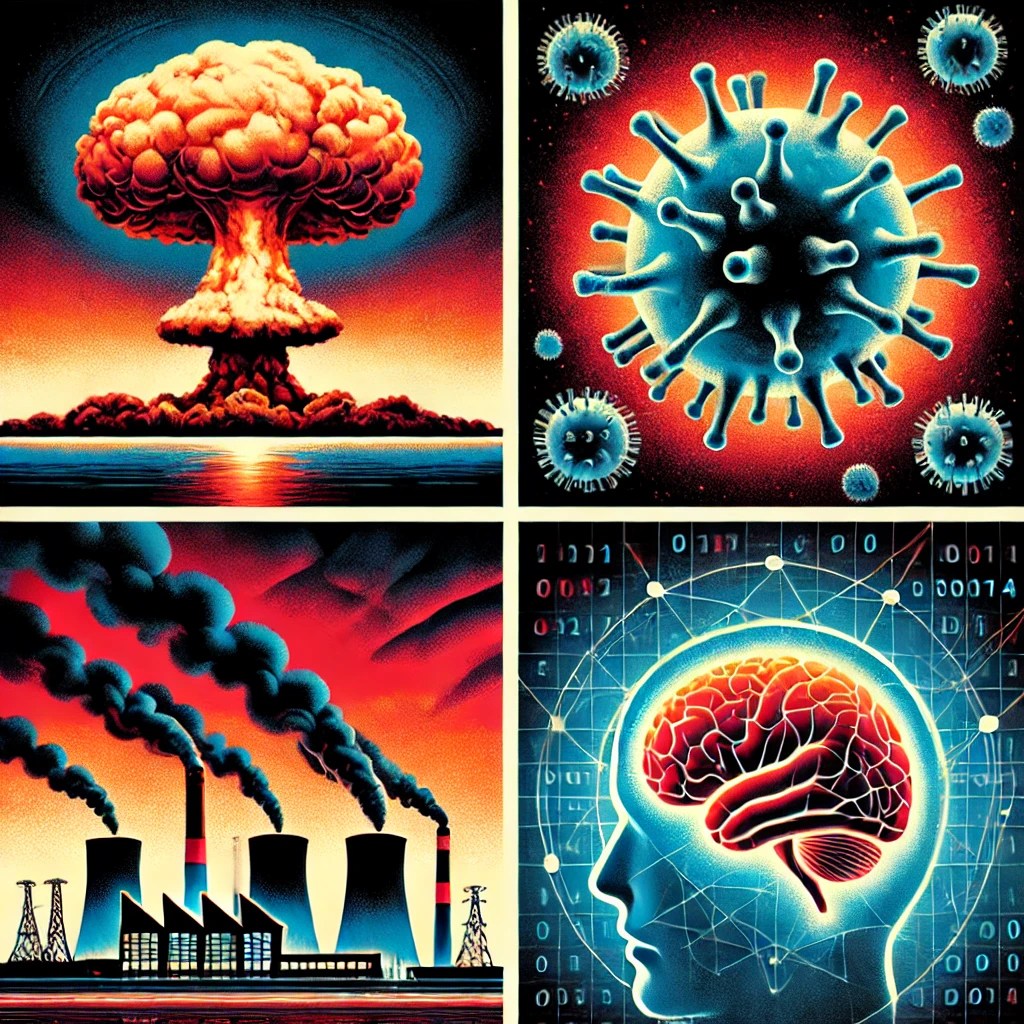
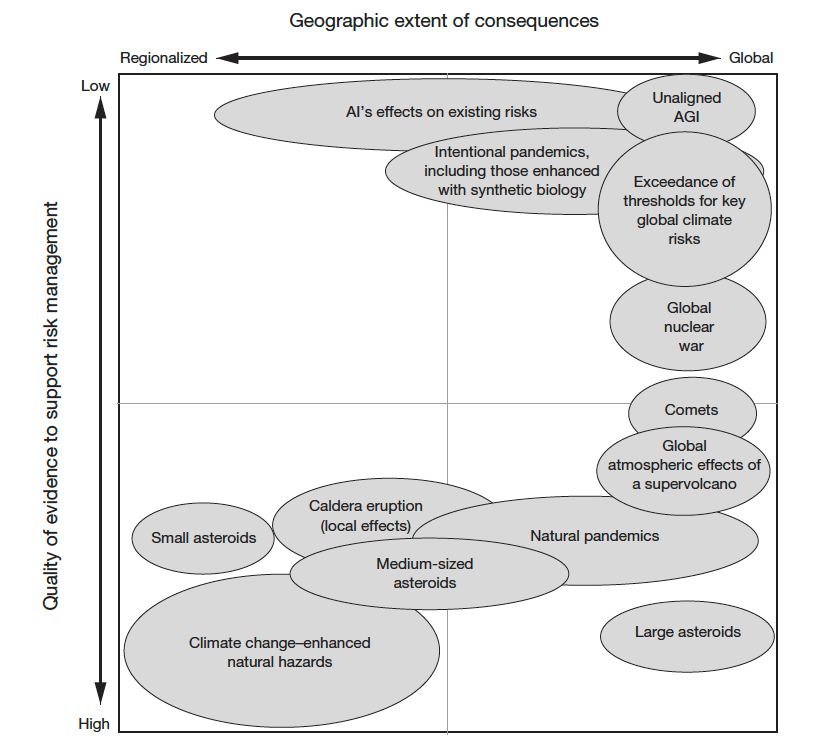


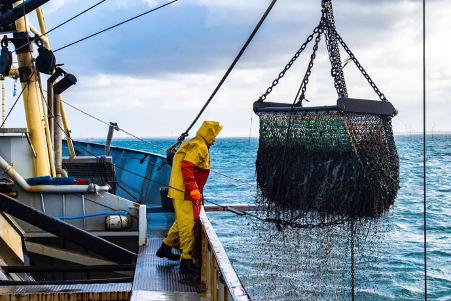


 Adapt Research Ltd